
Turning Wooden Bowls
Bowl turning is one of woodworking’s most rewarding skills. From a rough chunk of wood, you create a functional piece of art. The lathe transforms blocks into flowing curves, and each piece of wood reveals unique grain patterns as you cut. Start simple, and soon you’ll be turning show-quality pieces.
Getting Started
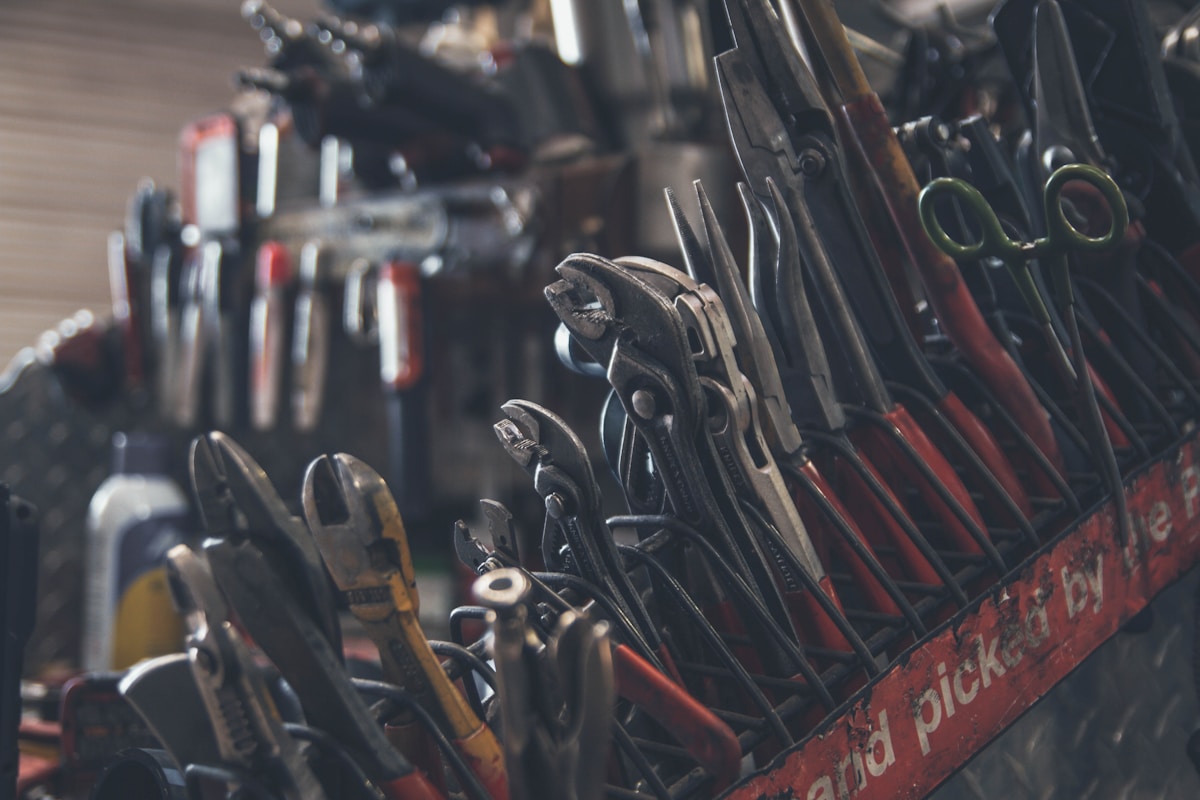
Essential Equipment:
- Lathe: 12″ swing minimum for reasonable bowl sizes. Variable speed preferred.
- Chuck: Four-jaw scroll chuck with various jaw sets.
- Bowl gouge: The primary tool. Start with a 1/2″ swept-back grind.
- Face shield: Essential safety gear—bowls can come apart.
- Sharpening system: Dull tools make dangerous cuts.
Selecting Bowl Blanks
- Size: Diameter limited by your lathe’s swing. Thickness determines bowl depth.
- Moisture: Green (wet) wood turns easily but warps as it dries. Dry wood is stable but harder to cut.
- Grain orientation: Face grain (growth rings visible on bottom) is most common.
- Defects: Spalting, burls, and voids add character but require careful technique.
Basic Bowl Turning Process
- Mount the blank: Attach a faceplate or use a screw chuck to secure the blank to the lathe.
- True the outside: Cut the blank round and shape the exterior profile.
- Create a tenon: Cut a tenon or recess on the bottom for chuck mounting.
- Reverse mount: Grip the tenon in the chuck, with the bowl opening facing out.
- Hollow the interior: Work from the rim toward the center, maintaining even wall thickness.
- Refine the shape: Final passes create your desired wall thickness (typically 3/16″ to 3/8″).
- Sand on the lathe: Progress through grits while spinning. Stop lathe to sand with the grain.
- Apply finish: Oil finishes work well for food-safe applications.
- Remove the tenon: Part off, sand, or turn off the foot.
Common Beginner Mistakes
- Catching the rim: Never let the gouge contact the near side of the bowl interior. Cut on the far side only.
- Uneven walls: Check thickness frequently with calipers.
- Speed too high: Large, out-of-balance blanks need slow speeds initially.
- Dull tools: Sharpen frequently—every few minutes of cutting.




Stay in the loop
Get the latest crafted wood creations updates delivered to your inbox.