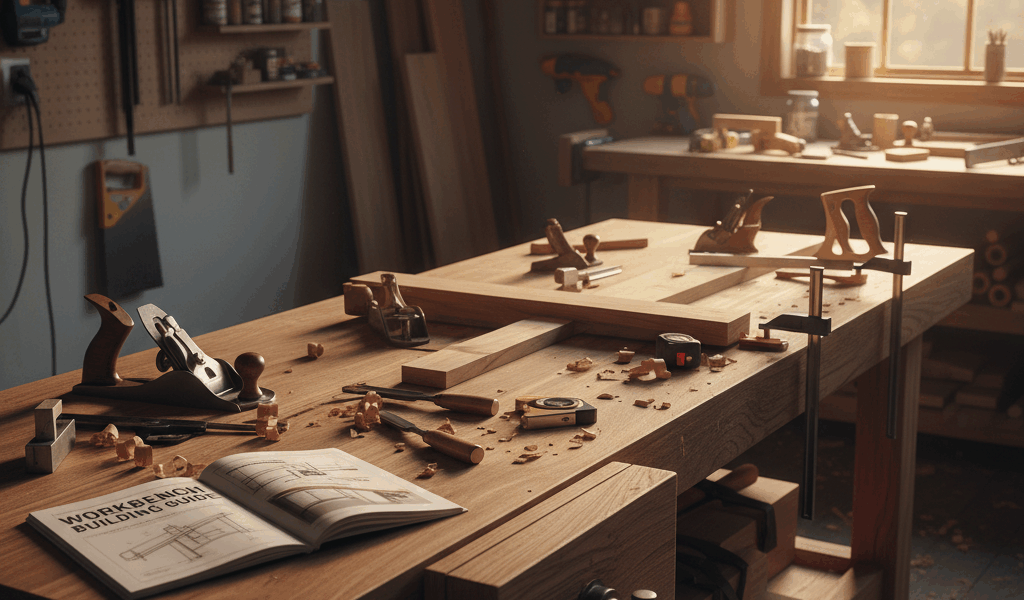
Work Bench: An In-Depth Guide
The work bench is a fundamental piece of any workshop. It’s a versatile surface where various tasks are performed, from woodworking to electronics. Understanding its importance and how to optimize it can make a significant difference in productivity and quality of work.

Types of Work Benches
Work benches come in several varieties, each designed for specific tasks.
- Woodworking Benches: These benches are sturdy, often made of hardwood like maple or beech. They usually have vises and dog holes to secure workpieces.
- Metalworking Benches: Built to withstand heavy-duty tasks. Made from steel or solid hardwood with a metal top.
- Electronics Benches: Designed for delicate tasks. They often have built-in lighting and ESD (electrostatic discharge) protection.
- Portable Benches: Lightweight and foldable. Ideal for mobile tasks or small workspaces.
Essential Features of a Good Work Bench
Selecting a work bench involves considering several features. Here’s what to look for:
- Durability: It’s essential that the work bench can withstand daily wear and tear. Consider the materials used.
- Surface Area: Adequate space is crucial. Evaluate the size based on your primary tasks.
- Height: Ergonomic design can prevent fatigue and injury. Adjustable height options are ideal.
- Storage: Built-in storage options like drawers and shelves help keep tools organized and accessible.
- Mobility: Some benches come with wheels, making it easier to move them around your workspace.
Building Your Own Work Bench
Building a custom work bench can be a rewarding project. Here’s a simple plan:
- Choose Materials: Select a hardwood for the top. Pine is a budget-friendly option for the frame.
- Determine Dimensions: Standard height is around 34 inches. Length and width depend on available space.
- Cut the Wood: Use a circular saw for accurate cuts. Always wear safety gear.
- Assemble the Frame: Pre-drill holes to avoid splitting the wood. Use wood screws for assembly.
- Attach the Top: Secure the hardwood top with countersunk screws. Ensure a smooth finish by sanding it down.
- Add Storage: Incorporate shelves or pegboards for tool storage. Use sturdy brackets to support the weight.
Maintaining Your Work Bench
Proper maintenance extends the life of your work bench:
- Regular Cleaning: Dust and debris can affect your work. Wipe down surfaces regularly with a damp cloth.
- Inspection: Check for loose screws or bolts. Tighten as needed to maintain stability.
- Lubrication: If your work bench has metal parts, apply oil to prevent rust and ensure smooth operation.
- Protection: Use a protective finish on wooden parts to prevent damage from spills and scratches.
Optimizing Your Work Bench Setup
Enhancing your work bench setup can improve workflow efficiency:
- Tool Arrangement: Organize tools based on frequency of use. Keep daily tools within easy reach.
- Lighting: Adequate lighting is crucial for precision tasks. Consider adding overhead lights or task lamps.
- Accessibility: Ensure that all tools and materials are easily accessible. Use hooks, racks, or magnetic strips.
- Electrical Outlets: Install multiple outlets for power tools. Ensure they are easily reachable from your work area.
Safety Considerations
Safety is paramount in any workshop. Follow these practices:
- Personal Protective Equipment (PPE): Always wear safety glasses, gloves, and hearing protection as needed.
- Keep the Area Clean: A tidy workspace reduces the risk of accidents. Clean up spills immediately.
- Proper Tool Usage: Use tools according to manufacturer instructions. Avoid using damaged tools.
- Emergency Plan: Have a first aid kit and fire extinguisher accessible. Ensure everyone knows the safety protocols.
Innovative Work Bench Ideas
Incorporating innovative ideas can further enhance your workbench:
- Built-In Power Strips: Add a power strip with surge protection to keep all your devices plugged in without hassle.
- Adjustable Height Mechanism: Use a hydraulic lift or an adjustable frame to change bench height as needed.
- French Cleat System: This wall-mounted system allows flexible placement of tools and storage units.
- Integrated Vacuum System: Install a vacuum system to remove dust and debris while working, keeping your bench clean.
A work bench is more than just a table; it’s the heart of your workspace. Whether you’re a hobbyist or a professional, investing in a good work bench and optimizing it to suit your needs can elevate your craft.
“`