Wood finishing has gotten complicated with all the polyurethane options and conflicting advice flying around. As a woodworker who has finished a lot of furniture and projects over the years, I’ve used several brands and learned what to look for. Today, I’ll share everything I know about selecting and applying the best polyurethane for your work.
Choosing the Best Polyurethane: What Actually Matters
Polyurethane is a top choice for wood finishing because it protects well, lasts, and comes in enough variations to suit most applications. Choosing the right version comes down to understanding what you’re protecting, what look you want, and what the application conditions are.

Water-Based vs. Oil-Based
Polyurethane comes in two main types with meaningfully different characteristics:
Water-based polyurethane dries fast, cleans up with soap and water, and doesn’t add amber tones to the wood — which makes it the right choice for light-colored species like maple or ash where you want to preserve the natural appearance. Its durability is slightly lower than oil-based, but modern water-based formulations have closed much of that gap. Eco-friendlier and easier to work with indoors due to lower fume levels.
Oil-based polyurethane offers superior durability — the right choice for floors, high-traffic furniture, and anything that needs to absorb real daily punishment. It adds a warm amber tone that some find appealing on cherry, walnut, or oak, and off-putting on blonde species. Longer drying time and strong fumes require good ventilation during application. I’m apparently a “oil-based for floors, water-based for furniture” person and that split approach always works better for me than using one type for everything.
Top Brands Worth Knowing
- Minwax: One of the most widely available brands in both oil-based and water-based formulas. Their oil-based products are known for durability and the rich warm tone they add to wood. Good performance for the price across a wide range of applications.
- Varathane: The self-leveling feature in Varathane’s oil-based formulas sets them apart — it reduces brush marks and lapping issues that trip up less experienced finishers. Worth the slight price premium for anyone still developing their brushing technique.
- General Finishes: Their water-based topcoats have earned consistent praise for durability and color clarity, especially on light-colored woods. If you want a water-based product that performs at the oil-based level, General Finishes is where to look.
Application: What Makes the Difference
The product is only part of the result — application technique determines the rest.
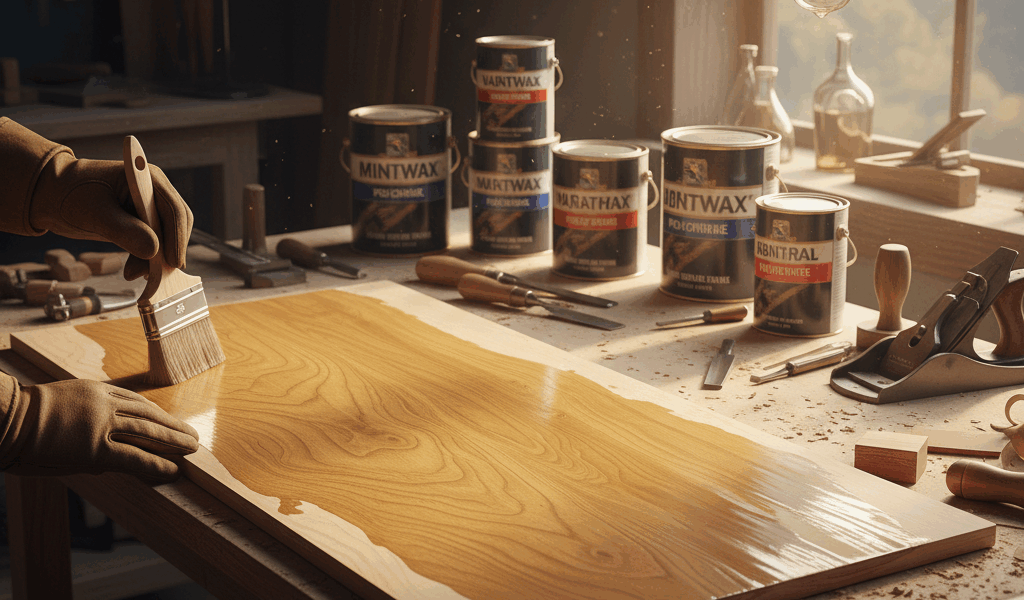
Stir, never shake. Shaking introduces bubbles that stay in the finish film. Use a high-quality natural bristle brush for oil-based, a synthetic brush for water-based. Apply in the direction of the grain in long, even strokes. Don’t over-brush — once the finish is spread, leave it. Additional strokes as the finish starts to set create drag marks and pull the film apart. Multiple thin coats always produce a better result than one thick coat. Sand lightly between coats with 320-grit and wipe clean before the next application.
Safety
Oil-based polyurethane requires a respirator during application — the fumes are not trivial, especially in a small, enclosed space. Cure and dry finished pieces in a well-ventilated area away from flames or high heat sources. Oil-soaked application cloths can self-ignite — this is a genuine fire hazard, not a theoretical one. Dispose of them by laying them flat outside to fully cure, or submerging them in water in a metal container before disposal.
When to Consider Alternatives
Polyurethane is durable but not always the right choice. Shellac dries faster and is easier to repair — useful when you need to retouch a damaged surface without fully refinishing it. Lacquer produces a harder, higher-gloss surface better suited for furniture requiring a formal or period appearance. Neither offers polyurethane’s durability, but for specific applications where drying time or appearance are the priority, they’re worth knowing about.
One Final Thought
The best polyurethane is the one that suits your specific project — the species, the use, and the look you want. Water-based for light woods and quick turnaround; oil-based for durability and warm tone. Apply in thin coats with a quality brush, maintain patience between coats, and handle the material safely. Get those basics right and any of the top brands will serve you well.
Recommended Woodworking Tools
HURRICANE 4-Piece Wood Chisel Set – $13.99
CR-V steel beveled edge blades for precision carving.
GREBSTK 4-Piece Wood Chisel Set – $13.98
Sharp bevel edge bench chisels for woodworking.
As an Amazon Associate, we earn from qualifying purchases.