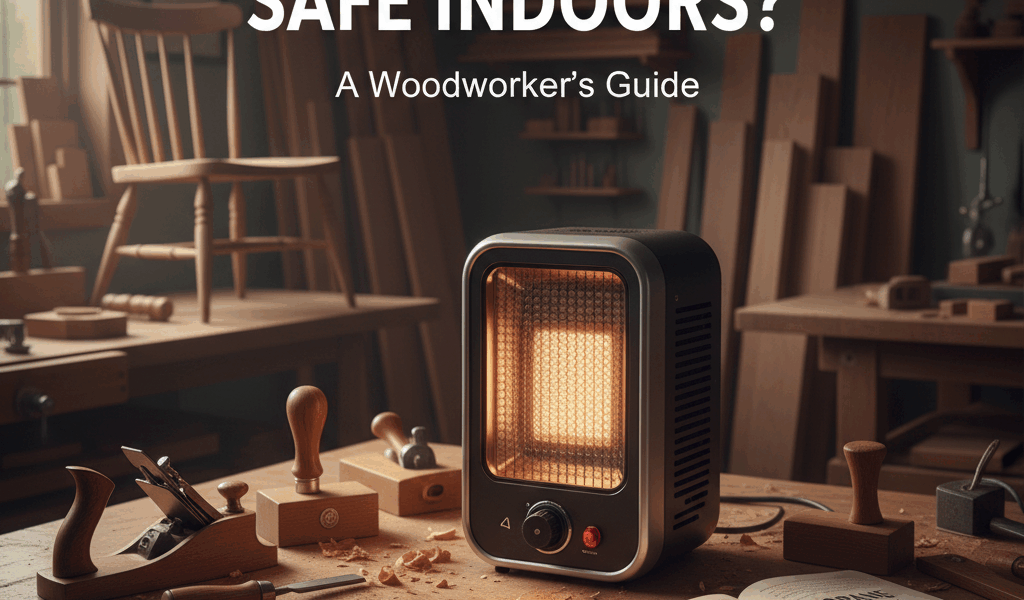
Indoor propane heaters have gotten complicated with all the carbon monoxide warnings and “are they safe?” debates flying around. As someone who has used propane heaters in shop spaces and knows the difference between proper use and risky use, I’ve learned what actually matters when it comes to indoor propane safety. Today, I’ll share everything I know.
Indoor Propane Heaters: Safety Done Right
Safety Features That Matter
The oxygen depletion sensor (ODS) is the most important feature in any indoor-rated propane heater. It monitors oxygen levels near the unit and automatically shuts off the heater when oxygen drops below a safe threshold — before carbon monoxide can accumulate to dangerous levels. This is not a nice-to-have; it’s the feature that separates an indoor-rated heater from an outdoor-only unit. The tip-over switch is equally non-negotiable: if the heater gets knocked over, it cuts the propane flow and extinguishes the flame immediately. Both features are standard on modern indoor-rated models. Verify they’re present before buying anything.
The Carbon Monoxide Risk
CO is produced when propane burns incompletely, which happens when there isn’t enough oxygen in the combustion air. In a well-ventilated space, the small amount of CO produced disperses before it can reach dangerous concentrations. In a poorly ventilated space, it accumulates. The ODS protects against this, but it’s a backup — ventilation is the primary defense. Never use a propane heater in a completely sealed room. Cracking a window or door is often enough; the point is that fresh air needs to be getting in somewhere.
Know the symptoms of CO exposure: headache, dizziness, nausea, confusion. These symptoms can come on gradually. If anyone in the heated space develops them, turn off the heater, open the space up, and get outside immediately. CO poisoning that continues past the early symptom stage becomes life-threatening quickly.
Gas Leak Risks
Propane itself isn’t toxic, but a gas leak in a confined space creates an explosion risk when any ignition source is introduced. Modern heaters have leak detection that shuts off gas flow if a leak is detected. The additional precaution is knowing what a propane leak smells like — the odorant added to propane smells like rotten eggs or sulfur. That smell means stop everything, ventilate the space, get out, and don’t use any electrical switches or open flames until the area is clear. Check the connections at the tank and the regulator when setting up; most leaks start there.
Certified Models and Maintenance
Buy only heaters certified by Underwriters Laboratories (UL) or a recognized equivalent. Certification means the unit has been tested against established safety standards — it’s not a guarantee of zero risk, but it’s a meaningful baseline. Inspect the heater before each season’s use: check for corrosion on connections, verify the ODS and tip-over switch function, confirm there’s no visible damage to the burner or housing. A heater that hasn’t been used in a year deserves a careful look before firing it up.
Proper Installation and Usage
Position the heater away from flammable materials — at least three feet clearance on all sides as a minimum. Keep it out of high-traffic areas where it’s likely to get bumped. Never leave a running propane heater unattended. Turn it completely off before leaving the space or going to sleep. I’ve seen people crack a window and leave a heater running overnight “on low,” and that’s the kind of shortcut that ends badly. The heater is not a thermostat-controlled HVAC system — it’s a supplemental heat source that requires your presence.
One Final Thought
An indoor propane heater used correctly — ODS present, ventilation maintained, attended operation, distance from combustibles — is a safe and effective heating solution for workshops and other spaces. The safety features exist precisely because the manufacturers understand the risks. Use those features, follow the operating guidelines, and an indoor propane heater works without incident. Shortcut any of it and you’re taking risks that aren’t worth taking.
Recommended Woodworking Tools
HURRICANE 4-Piece Wood Chisel Set – $13.99
CR-V steel beveled edge blades for precision carving.
GREBSTK 4-Piece Wood Chisel Set – $13.98
Sharp bevel edge bench chisels for woodworking.
As an Amazon Associate, we earn from qualifying purchases.