Outdoor patio projects have gotten complicated with all the material options and pricing all over the map. As someone who has spent a lot of time in the shop working with wood, I’ve also spent a fair amount of time thinking about what goes outside it — and budget-friendly paving is a topic worth knowing. Today, I’ll share everything I’ve figured out about cheap patio paver ideas that actually look good.
Cheap Patio Paver Ideas: Making the Most of Your Outdoor Space on a Budget
If you’re trying to upgrade your outdoor space without spending a small fortune, you’ve got more options than you might think. There are plenty of approaches that can transform a backyard into a functional, attractive space without the sticker shock. Let’s walk through the most practical ones.

1. Use Concrete Pavers
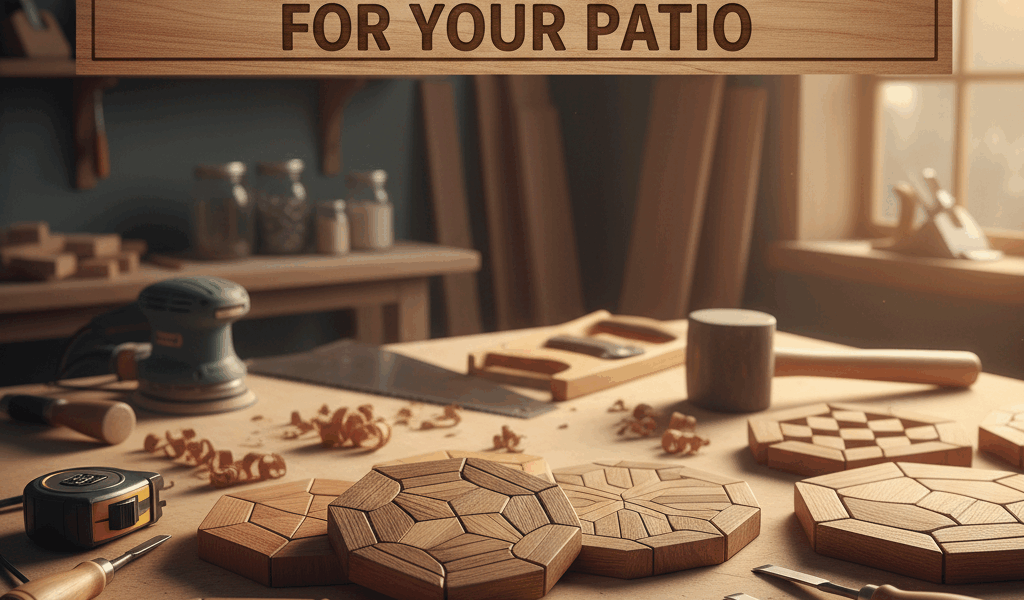
Concrete pavers are the go-to for budget-conscious homeowners, and for good reason. They’re widely available, reasonably priced, and come in enough shapes and colors to give you real design flexibility. I’m apparently a “stamp and stain” person and that technique always works better for me than buying expensive stone — you can mimic the look of flagstone or brick for a fraction of the cost. A mosaic pattern adds visual interest without adding much cost.
2. Opt for Gravel
Gravel gets overlooked, but it’s one of the most economical and easiest-to-install options out there. It gives a rustic feel that actually looks intentional when you design around it. A gravel path cutting through a lawn reads as deliberately designed, not cheap. A full gravel patio with some good outdoor furniture becomes a charming seating area fast. The range of sizes and colors gives you a surprisingly broad canvas to work with.
3. Break Convention with Broken Concrete
Broken concrete — sometimes called urbanite — is exactly what it sounds like: salvaged pieces from old sidewalks or patios being demolished. It sounds rough, but placed thoughtfully, urbanite forms the kind of random, irregular patterns that look intentionally rustic. It’s the upcycling approach applied to outdoor spaces, and it costs almost nothing if you find the right source. Check with local contractors doing concrete work — they often give the material away rather than haul it.
4. Get Creative with Brick
Brick is a classic choice for good reason — the warm hues and uniformity give a clean, established look. But don’t think of it as boring. Setting bricks in herringbone, basket weave, or circular patterns elevates the whole project. Check classified ads and architectural salvage stores for reclaimed brick. Reclaimed material is often cheaper than new brick and comes with a patina that takes years to develop naturally.
5. Embrace Natural Stone
Natural stone typically costs more, but you don’t have to use it everywhere to get the effect. Using stone sparingly as accents in a concrete or gravel patio gives you the visual impact without covering the whole budget. Flagstone and fieldstone are among the less expensive natural stone options and still deliver that authentic look. Strategic placement does more work than full coverage.
6. Introduce Wood in the Mix
Wood paving isn’t just for decks. As a woodworker, I appreciate how wood changes the feel of an outdoor space — it’s warmer underfoot than stone or concrete and has a natural quality that’s hard to replicate. Wooden pathways, panels set into gravel, or even repurposed wooden pallets can work well if you seal them properly for outdoor exposure. Just account for the maintenance — outdoor wood needs attention every few years.
7. DIY Your Own Pavers
Making your own pavers hits the sweet spot between customization and cost. Quick-drying cement and basic mold trays let you produce geometric shapes or textured surfaces that are completely your own. You can etch designs, press leaves into the wet surface for texture, or add aggregate for a more finished look. It’s the kind of project that takes time but costs very little and leaves you with something genuinely unique.
One Final Thought
Budget patio options are wide-ranging enough to suit almost any aesthetic. The best rule I’ve found is to keep an eye out for materials you can salvage or repurpose — concrete, brick, and even wood often show up free or cheap if you’re looking. That’s what makes this kind of project satisfying: with a little creativity and some elbow grease, you end up with something that looks like it cost far more than it did.