Vinegar rust removal has gotten complicated with all the “just soak it overnight” advice and conflicting timelines flying around. As someone who has restored plenty of rusty tools — old hand planes, chisels, and shop equipment — using the cheapest possible method, I’ve learned what vinegar actually does to rust and how to use it right. Today, I’ll share everything I know.
Vinegar Rust Removal
Why It Works
Vinegar is a dilute acetic acid solution. Rust is iron oxide. The acetic acid reacts with the iron oxide and converts it into iron acetate, which is water-soluble and can be scrubbed away. It’s a real chemical reaction, not a folk remedy — the mechanism is sound. The limitation is concentration: household white vinegar is about 5% acetic acid, which means it works but takes time, especially on heavy rust. Commercial rust removers use stronger acids and work faster, but they’re also more hazardous to handle and dispose of.
Materials Needed
- White vinegar (preferred) or apple cider vinegar
- Gloves
- Stiff brush or steel wool scrubber
- Plastic container or bucket
- Water
- Baking soda (for neutralizing)
- Dry cloth or towel
The Process
1. Clean First
Remove loose dirt, grease, and debris before soaking. Surface contaminants interfere with the acid reaching the rust. A quick scrub with a dry brush handles most of it.
2. Soak
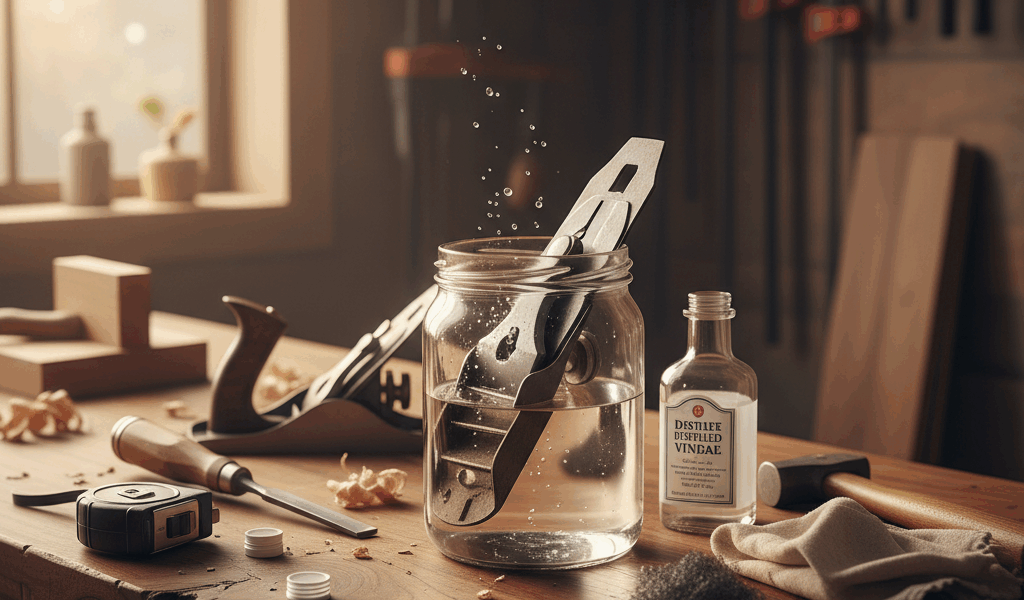
Submerge the item in white vinegar. Light surface rust needs two to four hours. Heavy rust that’s pitted into the metal may need eight to twelve hours, sometimes overnight. Check every few hours on a heavily rusted item rather than just leaving it and hoping — over-soaking can start to affect the base metal, particularly on thin or delicate pieces. I spent a Saturday morning doing a batch of rusty plane irons, checking every couple of hours, and that approach worked reliably.
3. Scrub
After soaking, scrub with a stiff brush or steel wool. The rust should come off with reasonable effort. If significant rust remains, return to the vinegar bath rather than scrubbing harder — more soak time removes it without damaging the metal surface.
4. Rinse Thoroughly
Rinse with clean water to stop the acid reaction. For critical pieces, follow with a rinse in a water and baking soda mixture — baking soda is alkaline and neutralizes any remaining acetic acid. This step matters for tools that need precise surfaces or for items with complex geometry where acid could remain in crevices.
5. Dry Completely and Protect Immediately
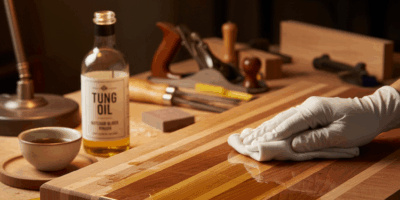
Dry the item completely and immediately — clean bare metal in the presence of oxygen and moisture will begin rusting again within hours. A blast of compressed air, a heat gun on low, or simply thorough toweling followed by immediate oiling all work. Apply a rust inhibitor, light oil, or paste wax right away to protect the surface.
Application Variations
Small tools submerge easily in a jar or container. Larger items like garden tools or machine parts need a bucket or bin. For items that can’t be submerged — a rusted section of a large piece — apply vinegar-soaked rags or paper towels directly to the rust and keep them wet by rewetting periodically. For delicate items like antique hardware or jewelry, skip soaking entirely; a soft cloth dampened with vinegar applied carefully to the rust gives you more control over how much metal is exposed to the acid.
Honest Pros and Cons
What it does well: Inexpensive, readily available, environmentally low-impact, safe with basic precautions, genuinely effective on light to moderate rust.
What it doesn’t do well: Heavy pitting takes significant time, possibly multiple sessions. The acetic acid smell in an enclosed space is noticeable. It won’t restore metal that’s rusted through — it removes surface oxide but can’t rebuild material that’s gone.
One Final Thought
That’s what makes vinegar rust removal endearing to those of us who do shop restoration work — it’s a solution that costs almost nothing, uses materials you already have, and works reliably within its limits. Know those limits (time, concentration, severity of rust), follow through with proper drying and immediate protection, and you’ll restore most rusted shop tools and hardware without spending anything meaningful on the process.