Woodworking has gotten complicated with all the species options and finishing techniques flying around. As someone who has worked with a wide range of wood species, I’ve learned that open grain versus closed grain isn’t just an academic distinction — it changes how you approach sanding, staining, and finishing in ways that matter for every project. Today, I’ll share everything I know about open grain wood.
Understanding Open Grain Wood
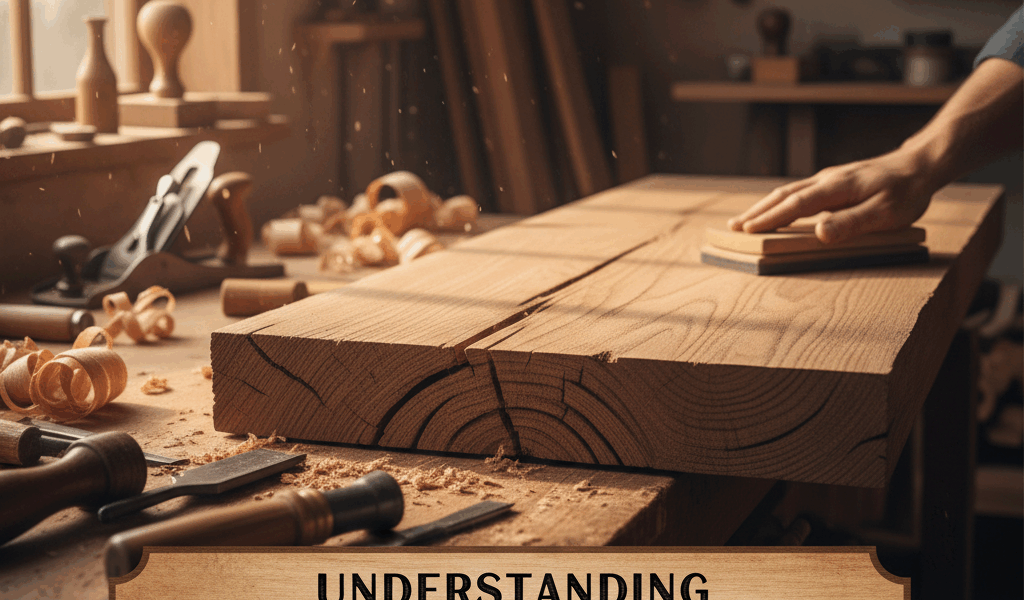
Woodworkers classify wood into two main categories: open grain and closed grain. Understanding the difference shapes every decision about surface preparation and finishing. Open grain wood has larger visible pores — you can see them with the naked eye. Closed grain wood has much smaller pores and a smoother, more uniform surface texture.

Common Open Grain Species
Oak
Oak is the most familiar open grain species, widely used in furniture and flooring. The visible grain pattern and prominent ray figure add visual character that most closed grain species can’t match. It’s durable, widely available, and takes stain in a way that highlights the grain rather than obscuring it — when you use the right prep.
Ash
Ash has a lighter base color than oak with an equally prominent grain. Its strength-to-weight ratio makes it a standard material for tool handles and sporting goods. In furniture, the open grain gives it a similar finishing profile to oak but with a different visual character.
Mahogany
Mahogany’s reddish-brown color and large pores make it a standout open grain species. It’s used in high-quality furniture, guitars and other instruments, and traditionally in boat building. The open pores make it easier to carve intricate designs and give it acoustic properties that closed grain species don’t replicate.
Properties and Finishing Behavior
The large pores of open grain wood absorb stains and finishes differently than closed grain species. Stain penetrates unevenly — the pores absorb more than the surrounding wood, which creates a varied appearance that looks rich and natural when it works and blotchy when it doesn’t. I’m apparently a “wood conditioner first, always” person on open grain species and using conditioner before staining always works better for me while skipping that step never does on anything with visible pores.
The texture adds character to finished pieces but requires more preparation work to achieve a smooth surface. That tradeoff is worth understanding before you commit to a species for a particular project.
Working with Open Grain Wood
Sanding
Sanding open grain wood takes longer than closed grain because the pores resist leveling. Start with a coarser grit to remove material and flatten the surface efficiently, then work progressively through finer grits. Don’t skip grits — each step removes the scratches from the previous one, and open grain wood holds those scratches more visibly than smooth-grained species.
Staining
Apply a wood conditioner before staining to equalize absorption across the surface. This reduces the blotching that happens when pores accept significantly more stain than the surrounding wood. Without conditioner, the pores can appear as dark streaks or spots in the finished piece rather than as part of a consistent overall tone.
Filling the Grain
For high-gloss or ultra-smooth finishes, you may need to fill the grain before topcoating. Grain filler is worked into the pores and sanded back — multiple applications and sandings may be required to achieve a truly filled surface. This is labor-intensive but essential for any project where you want the grain to disappear into a glassy finish rather than telegraph through it.
Finishing
Open grain woods typically require more coats of finish than closed grain species to build equivalent film thickness. The pores consume the first coats before a continuous film starts to form. Sand between coats with 320-grit or finer to level the surface as it builds. The process is slower than finishing closed grain wood, but the final result — a properly finished piece of oak or mahogany — is worth the additional effort.
Applications
Open grain woods appear across a wide range of applications. Furniture makers prize them for the visual character the grain provides. Oak and ash dominate hardwood flooring partly because they age well and maintain their character through years of wear. Mahogany’s combination of workability and acoustic properties keeps it the material of choice for high-end guitar bodies and necks.
Care and Maintenance
Regular dusting prevents debris from accumulating in the pores, where it can become difficult to remove without damaging the finish. Use cleaners formulated specifically for finished wood — harsh household cleaners can strip or cloud the finish over time. Periodic reapplication of appropriate finish or wood treatment maintains the surface and keeps the wood protected against moisture and mechanical wear.
Economic and Environmental Considerations
Oak and ash are generally accessible in price and widely available through domestic suppliers. Mahogany ranges from affordable to expensive depending on species — true Honduras mahogany commands a premium over African and other substitutes. When purchasing any open grain species, look for FSC certification as an indicator of responsible sourcing. That’s what makes informed material choices endearing to woodworkers who care about the craft’s long-term sustainability: the wood you use connects your work to forest management practices around the world.
One Final Thought
Open grain wood is more demanding than closed grain species at the preparation and finishing stages. But the visual character it brings to finished work is genuinely different and, for many projects, irreplaceable. Understand what you’re working with before you start, use the right prep steps, and take the time the finishing requires — and open grain species will reward that effort with surfaces that look alive in a way that smooth, uniform wood simply doesn’t.