Understanding Furniture Wax: A Comprehensive Guide
Furniture wax has gotten complicated with all the product options and conflicting recommendations flying around. As someone who has finished wood furniture for years — from antique restorations to new builds — I’ve learned what actually matters when it comes to choosing and applying wax. Today, I’ll share everything I know.

What is Furniture Wax?
Furniture wax is a product made from natural or synthetic materials that polishes, protects, and enhances wood surfaces. Common ingredients include beeswax, carnauba wax, and sometimes paraffin. These components create a barrier that shields wood from damage while letting it breathe — which matters a lot for antique pieces.
Types of Furniture Wax
- Beeswax: Derived from beehives, it’s natural, easy to apply, and produces a warm, organic sheen. My go-to for antiques.
- Carnauba Wax: Harvested from Brazilian palm leaves, it’s harder than beeswax and provides a high-gloss, water-resistant finish. More durable for surfaces that take daily handling.
- Paraffin Wax: A petroleum-based product, cheaper and often blended with other waxes for added hardness. Less favored by woodworkers who prefer natural finishes.
Why Use Furniture Wax?
Wax protects against stains, scratches, and water damage while enhancing the wood’s natural beauty. That warm, rich appearance is something other finishes genuinely struggle to match. And unlike varnish or polyurethane, wax allows the wood to breathe — important for certain antique pieces where you don’t want to trap moisture.
Application of Furniture Wax
Having spent many Saturday mornings applying furniture wax, I can tell you that patience is the whole job. Start by cleaning the surface thoroughly — damp cloth, remove all dust and grime, let the wood dry completely before touching the wax.
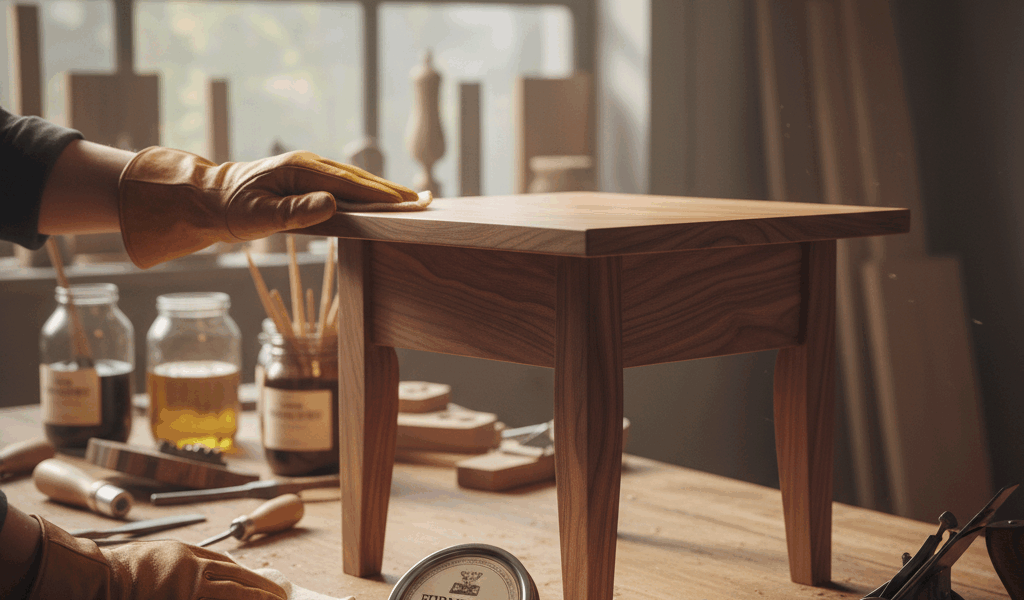
Apply wax with a soft cloth in a circular motion, working it into the grain. Start with a small amount — too much wax is harder to deal with than too little, and buildup leaves a sticky residue nobody wants. Let it sit for a few minutes to penetrate, then buff with a clean, soft cloth. Buffing is what gives you the shine; don’t skip it. Repeat the process to build additional protection.
Maintaining Waxed Furniture
Regular dusting with a dry, soft cloth is all you need most of the time. Avoid water and commercial cleaners — they strip wax fast. For stubborn spots, use a slightly damp cloth and dry immediately. Reapply wax every six to twelve months depending on use.
Common Mistakes to Avoid
- Over-waxing: More wax doesn’t mean more protection. Apply sparingly. Buildup creates a sticky, dull surface.
- Skipping Buffing: Not buffing properly leads to a flat, hazy finish. Buff thoroughly — it’s the step that actually produces the shine.
- Incorrect Product: Using the wrong wax for your wood type gives you subpar results. Match the wax to the wood and your desired finish.
Environmental Considerations
Natural waxes like beeswax and carnauba are sustainable and biodegradable. They emit fewer volatile organic compounds than synthetic waxes — a legitimate advantage for workshop air quality and home environment. I’m apparently a natural-wax person and it works for me while paraffin-heavy blends never quite produce the same warmth.
Furniture Wax vs. Other Finishes
That’s what makes wax endearing to us woodworkers — it offers something that varnishes and polyurethane can’t. Harder finishes are more durable against water and heat, but they lack the depth and warmth of wax. Wax also allows easy spot repairs; fixing varnish damage is a much bigger production.
Historical Use of Furniture Wax
Furniture wax has been used for centuries. Craftsmen in ancient times used beeswax to protect and polish wood. The 18th and 19th centuries saw widespread household use. Its enduring appeal makes sense — it works, it’s simple, and it produces a finish that complements wood rather than covering it up.
Popular Brands and Products
- Briwax: High-quality traditional paste wax with excellent results.
- Minwax: Good range of products suitable for various wood types.
- Howard Feed-N-Wax: Combines wax and oils to condition and protect simultaneously.
- Renaissance Wax: Microcrystalline wax used in museums — strong protection, easy to apply.
DIY Furniture Wax
Making your own is entirely possible and surprisingly satisfying. Combine beeswax with a carrier oil like olive oil or coconut oil — melt the beeswax in a double boiler, mix in the oil, pour into a container, and let it cool. Customize with essential oils for fragrance. Application follows the same process as commercial wax, and you have complete control over ingredients. Great option for anyone with sensitivities to additives.
Restoring Antique Furniture
Wax is particularly useful for antique work because it’s non-invasive. Clean antiques gently — mild, non-abrasive methods only — and wax preserves the historical character while adding protection. It’s the finish most conservators recommend for a reason.
Considerations for Different Wood Types
Hardwoods like oak and mahogany benefit from wax’s depth and richness. Softer woods like pine are more absorbent and may need more frequent maintenance. Match the wax type to your wood species for the best outcome.
Alternative Uses for Furniture Wax
Furniture wax works on leather, metal, and stone too. It conditions leather, prevents rust and corrosion on metal surfaces, and enhances natural patterns on stone. The same small tin of wax earns its place in the shop many times over.
Tips for Optimal Use
- Test on a small, inconspicuous area first — always.
- Use a lint-free cloth to avoid leaving fibers in the finish.
- Apply in moderate temperatures — extreme heat or cold affects how wax spreads and cures.
- Store wax in a cool, dry place to prevent it from melting or hardening in the container.