Picture Frame Woodworking
Custom picture frames elevate artwork and photographs while showcasing your woodworking skills. Frame construction teaches precision joinery, and the variations are endless—from simple pine frames to elaborate hardwood designs with multiple profiles and inlays.
Frame Anatomy
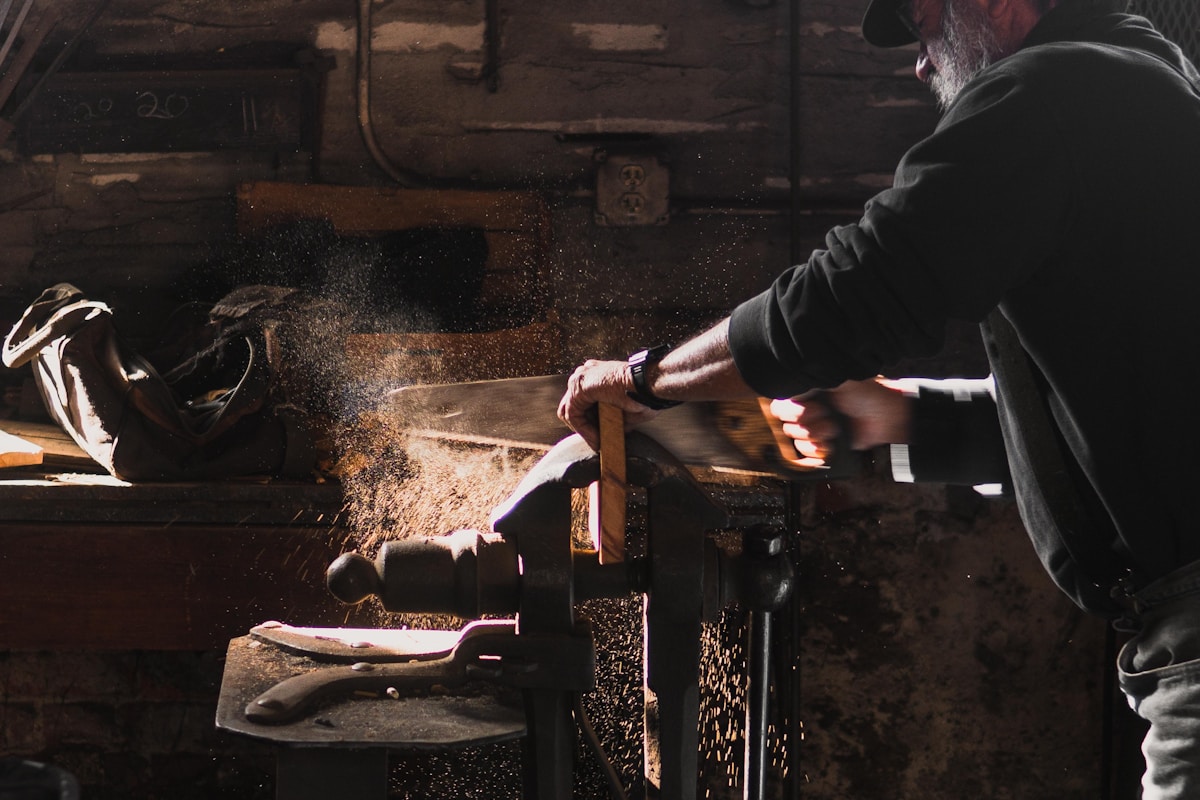
- Frame molding: The visible wood that surrounds the artwork
- Rabbet: The stepped recess that holds the glass, mat, artwork, and backing
- Glass or acrylic: Protects the artwork
- Mat board: Creates visual space around the artwork (optional)
- Backing board: Rigid support behind the artwork
- Hanging hardware: Wire, sawtooth hangers, or French cleats
Calculating Frame Dimensions
Measure carefully before cutting:
- Inside dimension: Match your artwork or mat size exactly
- Rabbet depth: Must accommodate glass + mat + artwork + backing (typically 3/8″ to 1/2″)
- Molding width: Aesthetic choice—wider for larger pieces
- Cut list: Inside dimension + 2x rabbet width for each piece length (account for miter joint math)
Creating the Rabbet
Three common methods:
- Table saw: Two passes—one for depth, one for width. Simple but requires careful setup.
- Router table: Use a rabbeting bit. Adjust for depth and width. Cleaner results.
- Combination: Cut the profile shape first, then rabbet as a separate operation.
Miter Joint Construction
- Cut precise 45° angles: Use a miter saw with fine-tooth blade. Test cuts ensure accuracy.
- Dry fit first: All four corners should close tightly with no gaps.
- Glue carefully: Apply glue to both surfaces. Miters have end grain—use slightly more glue.
- Clamp with frame clamp: Band clamps or corner clamps pull all joints tight simultaneously.
- Reinforce if needed: Splines, dowels, or V-nails add strength to miter joints.
Molding Profile Options
- Flat: Simple rectangular profile, modern look
- Rounded over: Softened edges using roundover router bit
- Ogee: Traditional S-curve profile
- Stepped: Multiple levels created with dado cuts
- Combination: Mix profiles for custom designs
Finishing and Assembly
- Finish the frame before glazing—stain, paint, or clear coat as desired
- Clean glass thoroughly before assembly
- Stack components: glass, mat, artwork, backing board
- Secure with glazing points or turn buttons
- Attach hanging hardware centered and level


Stay in the loop
Get the latest crafted wood creations updates delivered to your inbox.