V carving has gotten complicated with all the bit angle debates and software recommendations flying around. As someone who has done V carving on signs, decorative panels, and custom woodworking pieces, I’ve learned what actually matters for clean, detailed results. Today, I’ll share everything I know.
What is V Carving?
V carving is a woodworking and CNC technique that uses a V-shaped bit to carve intricate designs into a surface. Unlike flat carving with straight bits, V carving creates beveled edges that add real depth and texture to the work.
The Basics of V Carving
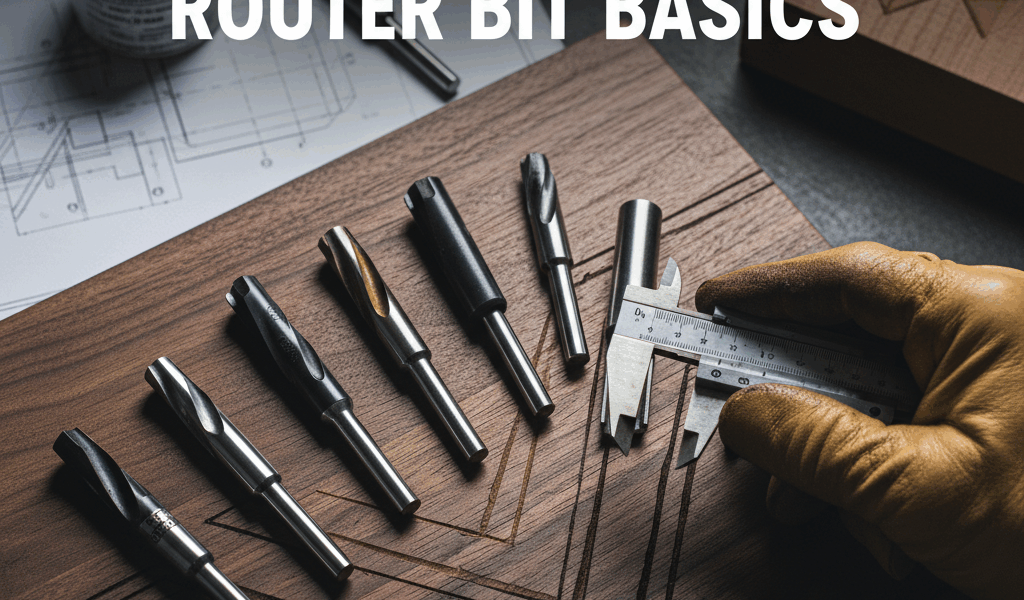
The V-bit is the defining tool. These bits come in common angles of 30, 60, and 90 degrees. The angle directly affects the character of the cut: a smaller angle produces more intricate detail in finer lines; a wider angle covers more area faster but sacrifices fine detail. The right angle depends on what the design actually requires.
CNC machines are the standard tool for V carving. The machine follows tool paths generated by design software — the design gets created or imported, translated into machine moves, and the CNC executes. Understanding your software is as important as understanding the bit, because the software is what tells the machine how to navigate the material.
Materials Used in V Carving
Wood is the most common material and the most forgiving for learning. Hardwoods like oak and walnut provide durability and a rich look. Softer woods like pine are easier to carve but don’t hold the same level of fine detail in tight cuts.
Plastic, particularly acrylic, is popular for its consistency and smooth finish. Transparent acrylic with V carving can produce striking visual effects. Metal V carving is possible but requires more powerful equipment and careful management of feed rates and spindle speeds.
Applications of V Carving
- Sign Making: The beveled edges that V carving produces give signs a professional, polished look that flat carving doesn’t match.
- Decorative Items: Intricate patterns on furniture, picture frames, and decorative panels.
- Jewelry: Engraved details on metal or wooden jewelry pieces that add value and character.
- Engraving: Text and fine details on plaques, awards, and personalized pieces.
Benefits of V Carving
The main advantage is depth — V carving produces detailed imagery with real three-dimensional character. The beveled edges catch light differently than flat carvings, which adds a sophistication to decorative work that you can’t get other ways. It also allows the same bit to vary cut depth across the design, speeding up complex work compared to straight-bit approaches.
Challenges in V Carving
Bit selection matters a lot. The wrong angle for a design produces rough edges or inadequate detail — there’s no fixing that after the carve without resurfacing. Harder materials require sharper, more durable bits.
Machine calibration is critical. An uncalibrated machine produces uneven cuts regardless of how good the design is. Consistent depth and trajectory across the material requires a machine that’s properly set up and maintained.
Tools and Equipment
CNC machines are the backbone of modern V carving — the precision they offer can’t be replicated by hand for most designs. They range from small desktop units to large industrial machines. For most woodshop applications, a mid-size desktop or benchtop CNC handles the majority of V carving projects well.
Carbide-tipped V-bits are the standard choice — good durability-to-cost ratio. High-speed steel bits work for softer materials. The quality of the bit directly affects the quality of the carve, especially on detail-intensive designs.
Software for V Carving
Software programs like VCarve, Aspire, and Fusion 360 handle the design-to-toolpath translation. Most offer simulation features — you can watch the virtual carve before committing to material, which identifies issues early. Learning your software is probably the highest-leverage skill development you can do in V carving.
Learning V Carving
Start with simple designs to understand the relationship between bit depth, feed rate, and material. Online tutorials cover the basics well. Community forums and maker spaces offer mentorship and real troubleshooting help that tutorials don’t always provide.
Keep notes on settings and results. The combination of bit angle, feed rate, depth of cut, and material type produces different outcomes, and building a personal reference from your own experiments is the fastest way to develop reliable technique.
Advanced Techniques
3D carving takes V carving into another dimension — multiple passes creating a genuinely three-dimensional surface. Layered designs with varying depths produce complex patterns that showcase what CNC V carving is actually capable of.
Combining V carving with laser engraving or inlays expands creative possibilities considerably. The combination of techniques produces work that stands out in both quality and craftsmanship. That’s what makes V carving endearing to us woodworkers — the ceiling for where you can take it is genuinely high.
Recommended Woodworking Tools
HURRICANE 4-Piece Wood Chisel Set – $13.99
CR-V steel beveled edge blades for precision carving.
GREBSTK 4-Piece Wood Chisel Set – $13.98
Sharp bevel edge bench chisels for woodworking.
As an Amazon Associate, we earn from qualifying purchases.