Finishing pine has gotten complicated with all the conflicting advice about stains and sealers flying around. As someone who has worked with pine on everything from simple shelves to furniture builds, I’ve learned what actually prevents those blotchy stain results and what keeps a pine project looking good long-term. Today, I’ll share it all.
What is Pine?
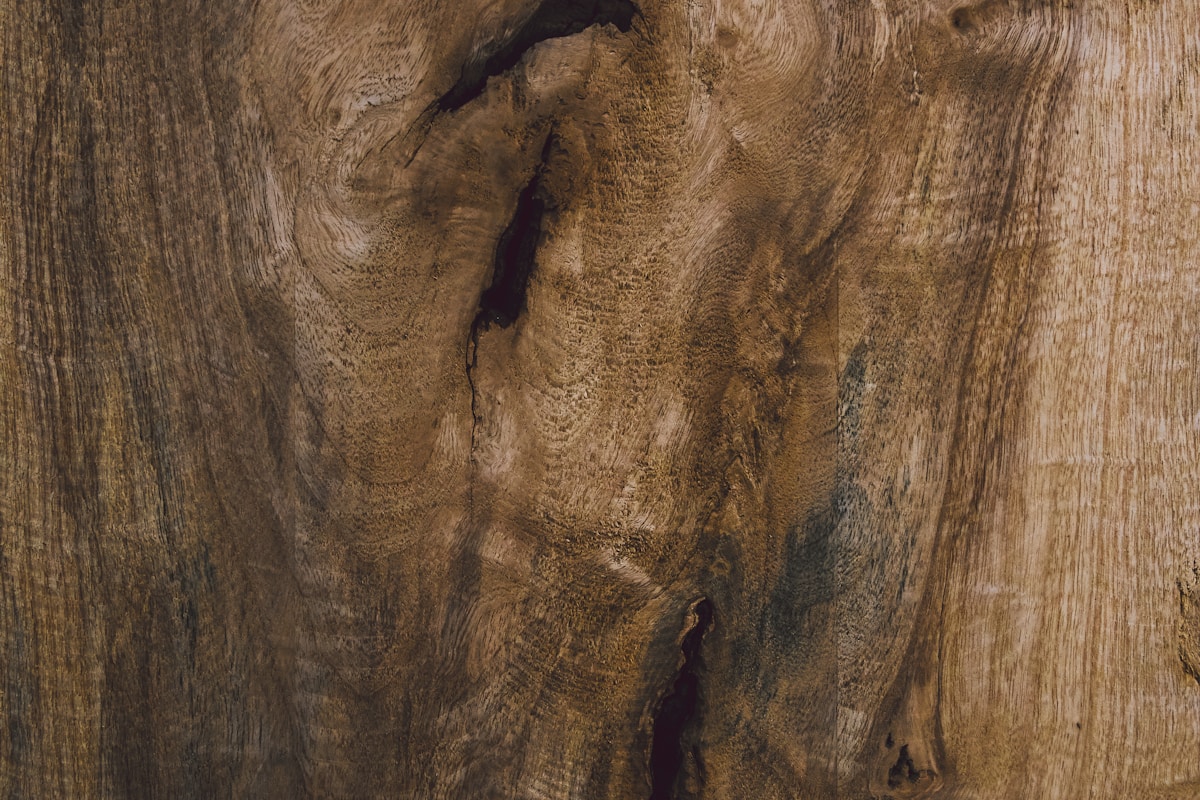
Pine is a softwood that’s plentiful, affordable, and genuinely versatile. It has a light color — often slightly yellow or reddish — with a prominent grain that stands out under finish. That visible grain is both the appeal and the challenge: pine takes stain unevenly because of its density variations, and getting a clean result requires some prep work.
Preparation: Sanding
Proper sanding is where a good pine finish starts. The goal is a smooth, even surface that accepts finish consistently. Start with lower grits — around 80-120 — to smooth rough patches, then work up to 220 for a refined surface. Apply light, even pressure throughout. Uneven pressure is how you end up with swirl marks or low spots that show through the finish.
Using Wood Conditioner
This is the step most people skip — and the reason most pine projects come out blotchy. Pine’s uneven grain density causes stain to absorb differently across the surface, leaving streaks and patches in the final result. A pre-stain wood conditioner solves this. Apply it before staining. It stabilizes porosity and lets the stain spread evenly. Probably should have led with this section, honestly.
The Magic of Staining
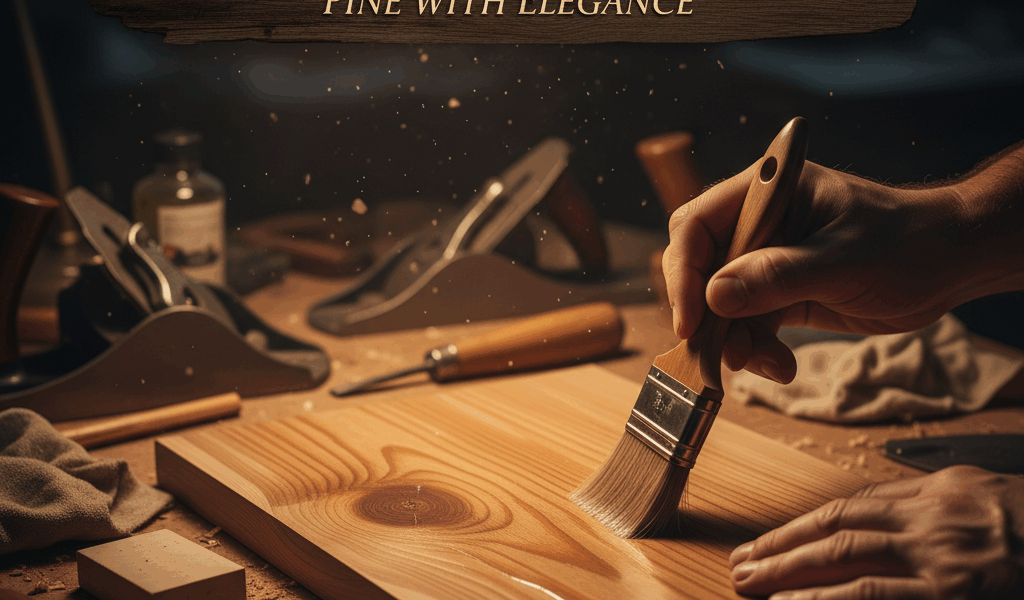
Stains bring depth to pine’s natural grain while adding a layer of protection. The color range is wide — light to dark, warm to cool. Choose based on your project’s final look. Apply with a brush or cloth in the direction of the grain and wipe off excess before it gets tacky. Leaving excess stain on the surface creates an uneven finish that no amount of topcoat will hide.
Applying a Clear Finish
A clear finish protects the wood from scratches and moisture, and it brings out the depth of the stain. Varnish, polyurethane, and shellac are all solid choices. Apply with a brush or cloth following the grain direction. Allow adequate drying time between coats — rushing this step is where most finish problems start.
Maintenance of Pine
- Dust regularly: A microfiber cloth or soft-bristled brush keeps the surface clean and prevents buildup that dulls the finish over time.
- Clean spills immediately: Liquids can damage both the finish and the wood underneath. Prompt cleanup matters.
- Use coasters and padding: A barrier between your pine and hot or moist items reduces wear significantly.
- Reapply finish when necessary: When the finish fades or chips, touch it up before the bare wood is exposed to more damage.
Fun Facts About Pine
- Pine trees are associated with peace in many cultures and traditions.
- There are more than 100 species of pine worldwide.
- Pine trees can live up to 1,000 years — sometimes longer.
- The bark varies significantly between species, each with its own character.
The Role of Pine in Environmental Sustainability
Pine plays a meaningful role in carbon sequestration — trapping atmospheric carbon dioxide that would otherwise contribute to warming. Pine products are also less energy-intensive to produce than plastic or metal alternatives. As a renewable resource, pine fits naturally into sustainable building and woodworking practices.