King Wood Bed Frame: A Timeless Addition to Your Bedroom
If you’ve ever wanted a bedroom that feels genuinely substantial — not just bigger, but built with intention — a king wood bed frame gets there. Not only is it sturdy and reliable, but it effortlessly becomes the anchor piece that pulls everything else in the room together.
I’ve built a few bed frames over the years, and the king size in solid wood is one of those projects where the result is clearly worth the effort. People who sleep in them notice. People who walk into the room notice.
Why Wood Specifically
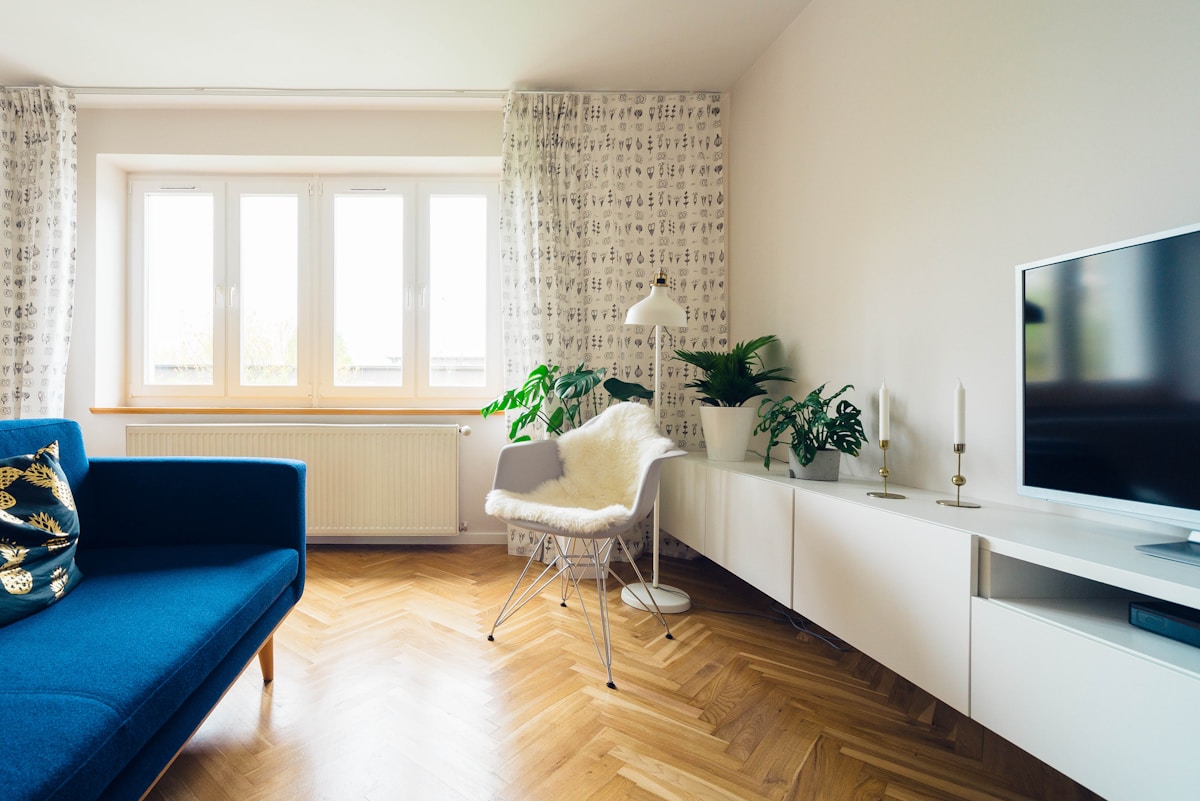
Metal and upholstered bed frames have their place but they don’t do what wood does for a bedroom. Wood brings a warmth to the space that manufactured materials can’t replicate — something about grain patterns and natural variation that reads as settled and intentional rather than temporary. A wood bed frame bought at 30 looks right in the same room at 60. The upholstered platform frame you bought in your 20s does not.
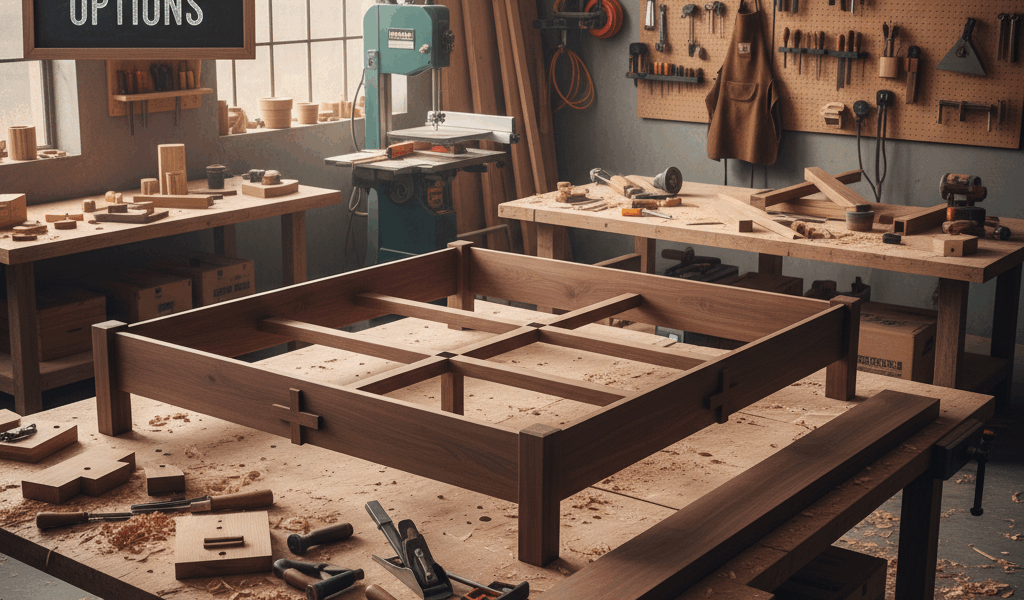
There’s also the functional case. A solid wood frame is quiet in a way that metal frames simply aren’t. Properly built joinery with tight-fitting mortise-and-tenon or bolt-and-barrel connections eliminates the creaking that metal fasteners develop over time. I built my own king frame from walnut five years ago. Not a single squeak, not one loose joint, and the wood has deepened in color into something that looks better now than it did when it was finished.
Wood Species: What Actually Matters
The species selection affects how the frame will look and how demanding the build is.
Walnut is my preference for bedroom furniture. The color — chocolate brown with purple undertones in fresh-cut stock, deepening to a warmer brown over time — is unmatched for bedroom settings. It machines cleanly, finishes beautifully, and carries enough visual weight to anchor a room without feeling heavy. The cost is real but for a piece you’ll use every day for thirty years, it’s the right call.
Cherry is more affordable than walnut and develops a dramatic color change with UV exposure — pale pinkish-tan when fresh, deepening to a rich reddish-brown over months of light exposure. A cherry bed frame looks better five years after building than it did on day one. That patina development is one of cherry’s genuine advantages.
White oak is extraordinarily durable and carries a visual character all its own, especially in quartersawn stock where the ray fleck shows. It reads more traditional or craftsman in a room than walnut does. For a bedroom with period furniture or a more rustic aesthetic, oak is the correct choice.
Maple and pine are the budget-friendly options. Hard maple is dense and builds a solid frame, light in color with subtle grain — good for a minimalist or Scandinavian-influenced room. Pine is the easiest to work with, takes paint beautifully, and is fine for a guest room frame or a child’s room where longevity expectations are lower.
What Makes a Wood Bed Frame Actually Good
The frame needs to handle the combined weight of two people, a mattress, and the dynamic loads from getting in and out of bed every day for decades. That requires good joinery at the corner posts, strong connections between the headboard, footboard, and side rails, and a center support leg or two on a king to prevent the rails from deflecting under load.
Slat spacing matters. Slats placed too far apart create dead spots in the mattress support — you’ll feel the sag after a few months. Slats spaced 2 to 3 inches apart provide consistent support across the full width. For memory foam or hybrid mattresses, solid slats are better than sprung ones because those mattress types need flat, uniform support rather than the flex that sprung slats provide.
Maintaining the Frame
Wood bed frames need minimal maintenance. Wipe with a dry cloth for dust. Avoid spray cleaners and harsh solvents — they break down the finish over time. Check the corner joints and rail connections annually and tighten any hardware before it works loose enough to cause creaking. Oil or wax the finish every couple of years on natural-finish frames to keep the wood from drying out.
For frames built with traditional joinery, the main thing to watch is seasonal wood movement. A king-size headboard has a lot of width for wood to move across the grain. Good designs account for this with floating panels or slip joints that allow movement. Rigid assemblies that fight seasonal movement will develop cracking at the joints over time.
Before You Go
A king wood bed frame is worth building or buying well. The right species, solid joinery, proper slat spacing, and a good finish produce something that works better and ages better than any alternative. A piece you sleep on every night for thirty years should be built to that standard from the start.