Choosing a 12-person dining table has gotten complicated with all the size charts and material debates flying around. As someone who has built and purchased large dining tables — and learned the hard way that room dimensions matter more than anything else — I’ve put together everything you actually need to know. Today, I’ll share it all.
12 Person Dining Table
A 12-person table is a serious piece of furniture. It dominates the room it lives in and becomes the center of every gathering you host. Getting it right takes thought across several dimensions.

Dimensions and Space Requirements
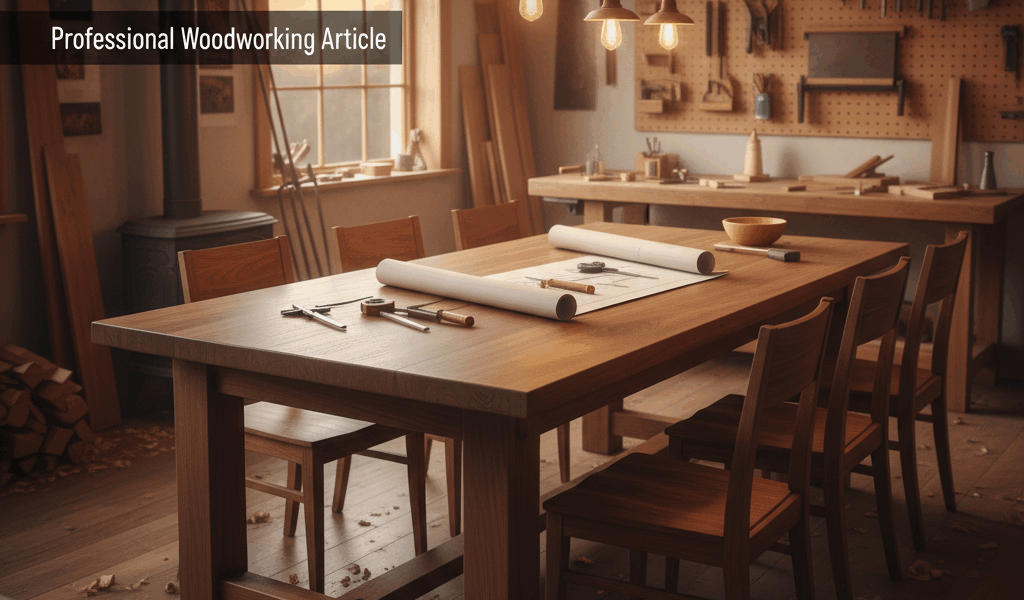
A 12-person table typically runs 120 to 144 inches in length. That’s 10 to 12 feet of table — measure your dining room carefully before buying or building. Leave at least 36 inches of clearance around all sides for movement and chair placement. Less than that and the space feels cramped even when only half the seats are filled.
Types of Materials
- Wood: The most enduring choice. Oak, walnut, and reclaimed wood all produce excellent large tables. Durable and timeless.
- Glass: Modern and sleek, easy to clean. Fragile at this scale — a concern worth considering for family use.
- Metal: Industrial aesthetic, often combined with wood in contemporary designs.
- Marble: Elegant and luxurious, but heavy and requires sealing and maintenance to protect the surface.
Design Styles
- Traditional: Ornate details, typically dark wood. Formal dining rooms.
- Modern: Clean lines, minimalistic features. Works well in open-plan spaces.
- Rustic: Natural textures, reclaimed materials. Warm and inviting character.
- Industrial: Wood and metal combined. Rugged and contemporary.
Shape Variations
- Rectangular: The standard for tables this size. Maximizes seating and works with most room layouts.
- Oval: Softer edges, slightly more inviting feeling at the ends.
- Round: Less common at this scale — requires significantly more floor space than a rectangle.
- Square: Balanced seating, but requires a very large room to work without feeling cramped.
Table Legs and Supports
- Four Legs: Traditional and stable. Can limit legroom at the corners.
- Pedestal: Central support provides more legroom and flexibility in chair placement.
- Trestle: Two end supports connected by a beam. Provides stability and plenty of legroom — my preferred configuration for large tables.
Finishes and Textures
- Matte: Understated and practical. Less likely to show scratches in daily use.
- Glossy: Reflective and visually striking. Shows fingerprints more readily.
- Weathered: Adds character and rustic appeal. Works well with reclaimed wood.
Seating Arrangements
- Chairs: Traditional and flexible. Mix styles if you want more personality.
- Benches: Casual, fits more people when needed. Good for families.
- Combination: Benches on one or both sides with chairs at the ends is a popular configuration that balances function and aesthetics.
Functionality and Features
- Extendable: Allows you to scale the table for different occasions — excellent for tables that need to serve both everyday family dinners and large gatherings.
- Storage: Built-in drawers or shelves add convenience in smaller dining spaces.
Maintenance and Care
- Wood: Periodic polishing and protection from moisture and heat.
- Glass: Regular cleaning with glass cleaner to prevent smudging.
- Marble: Seal periodically, use coasters consistently, avoid acidic foods and liquids directly on the surface.
Budget Considerations
A basic solid wood table runs $500-$1,000. High-end designer tables can exceed $5,000. The gap between those prices is mostly craftsmanship quality, wood species, and joinery — not aesthetics alone. A well-built mid-range table often outlasts an expensive one built with cheaper joinery inside a premium finish.
Where to Buy
- IKEA: Affordable and modern options, especially with extensions.
- Wayfair: Wide range of styles and price points.
- West Elm: Contemporary designs with good material quality.
- Restoration Hardware: High-end and luxury pieces.
DIY and Custom Options
- Custom Builders: Work directly with a woodworker to get exactly what you need for your room dimensions and style.
- DIY Projects: Building your own is very achievable with basic woodworking skills and good plans — and it produces exactly the table you want.
Environmental Impact
- Sustainable Wood: FSC-certified wood ensures responsible sourcing.
- Reclaimed Materials: Repurposed wood produces a unique piece with character that new lumber can’t replicate.
One Final Thought
A 12-person dining table is an investment in how your home functions and feels for years. Get the dimensions right, match the material to how the table will actually be used, and choose joinery and construction quality that will hold up to years of gatherings. That’s what makes a large dining table endearing to us woodworkers — it’s not just furniture, it’s the place people gather.