Solid wood floating shelves have gotten complicated with all the conflicting advice flying around. As someone who has installed shelves in nearly every room of my house — and learned plenty of hard lessons along the way — I’ve figured out what actually matters when it comes to choosing and mounting them. Today, I’ll share everything I know.
Materials Used
Solid wood floating shelves are typically crafted from hardwoods — oak, maple, walnut, and cherry being the most common. Each species has its own character. Having spent years working with all four, I’ll say that the “right” choice comes down to your room’s vibe more than anything else.
Oak
Oak is a classic for good reason. It’s strong, has a bold grain that catches your eye, and comes in red and white varieties with noticeably different hues. I’m apparently a red oak person — the warmer tones work for me while white oak always feels a little cold in my spaces.
Maple
Maple is smooth and light-colored. If you’re going for that clean, Scandinavian look, maple is your wood. It’s unforgiving under harsh light — every scratch shows — but it stains beautifully if you want to go darker.
Walnut
Walnut offers rich, dark tones and a fine grain that adds elegance without trying too hard. It’s pricier, but a walnut shelf in a living room genuinely looks like it belongs in a design magazine.
Cherry
Cherry develops a reddish-brown patina over time, which is either charming or annoying depending on who you ask. I find it charming. It basically improves with age — not many building materials you can say that about.
Types of Floating Shelves
- Single Solid Wood Shelves: Simple and versatile — mount them individually or group them. This is where most people start.
- Box Shelves: A solid wooden frame with a bottom shelf creates a boxed display area. These look more substantial on the wall.
- Corner Shelves: Specifically designed to fit into corners — great for using space that usually just collects dust.
- Tiered Shelves: Multiple shelves aligned vertically. More storage, still a clean profile.
Installation Process
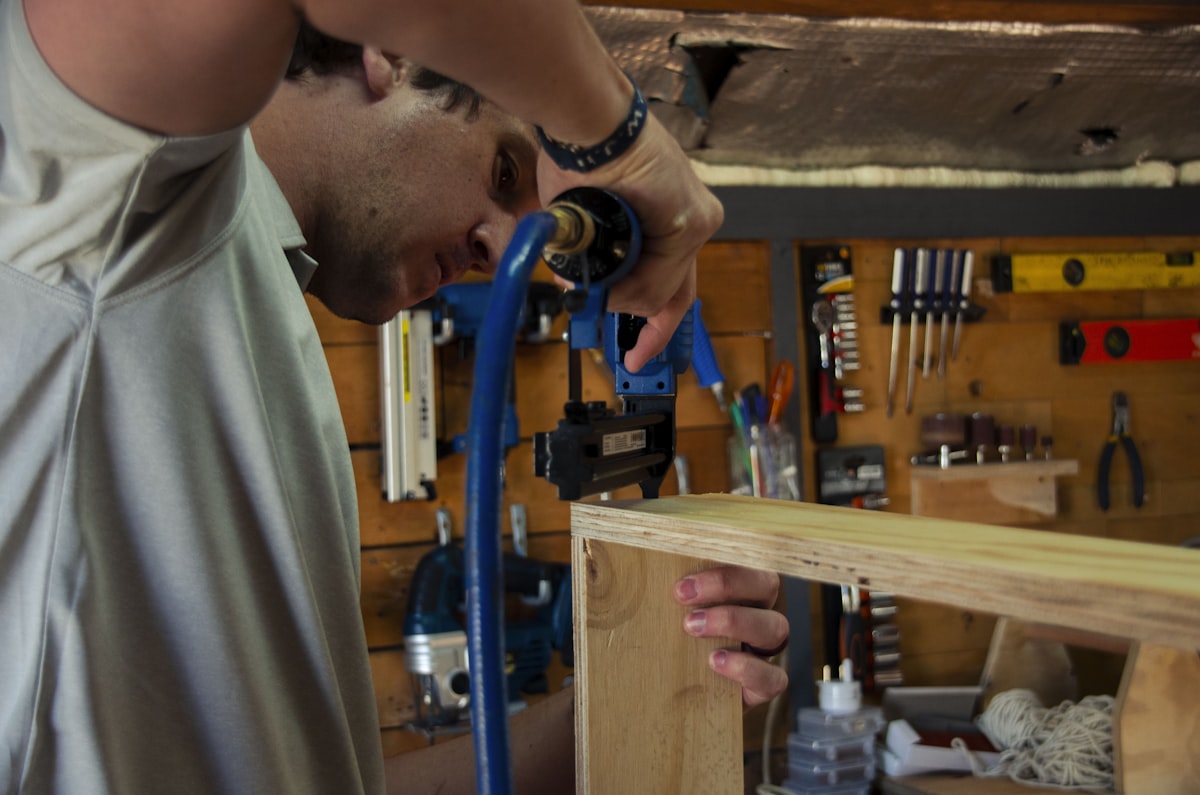
Installing solid wood floating shelves isn’t complicated, but the setup matters more than people realize. I grabbed my stud finder one Saturday morning and spent about three hours getting two shelves level. Honestly should have budgeted four hours. Here’s the process:
- Choose the Location: Decide placement based on both function and looks. Use a stud finder to locate studs in the wall.
- Mark the Studs: Mark stud locations with a pencil — light marks you can erase later.
- Measure and Mark: Measure the shelf length and use a level to mark its position on the wall.
- Drill Pilot Holes: Drill pilot holes at your marked locations to accommodate the brackets or mounting hardware.
- Install Brackets: Secure the brackets into the pilot holes. Check level twice before committing.
- Mount the Shelf: Slide the solid wood shelf onto the brackets and secure with screws if needed.
Weight Capacity
The weight capacity depends on the wood type, shelf size, and — most importantly — how it’s anchored. Shelves into studs hold dramatically more than shelves into drywall anchors. Don’t overload wall-anchor installs. Always check manufacturer specs before stacking heavy books or cast iron.
Maintenance Tips
Wood shelves don’t need a lot of attention, but a little goes a long way.
- Dust Regularly: A soft, dry cloth does the job. Don’t let dust pack in around items.
- Use Wood Cleaner: For deeper cleaning, use a cleaner made for the specific wood type.
- Avoid Water Damage: Don’t set wet items directly on the shelf — it warps the wood faster than anything else.
- Reapply Finish: Once a year or so, reapply a wood finish to maintain color and protect against wear.
Design Ideas
That’s what makes solid wood shelves endearing to us woodworkers — you can use them almost anywhere and they look intentional every time.
- Kitchen: Display dishes, glassware, or plants. Clean and uncluttered.
- Living Room: Books, art, family photos. Mix wood tones for a layered, eclectic effect.
- Bathroom: Towels, toiletries, decorative items. Use a water-resistant finish here.
- Bedroom: Above the bed for books or décor. Floating nightstands are a great space-saver.
Environmental Impact
Choosing solid wood over synthetic materials is generally better for the planet, especially when the wood comes from certified sustainable forests. Many manufacturers now include certifications — worth looking for those labels when you’re shopping.
Solid Wood vs. Other Materials
- Durability: Solid wood handles more weight and lasts longer than MDF or particleboard.
- Aesthetics: Nothing synthetic replicates real wood grain and texture. Each piece is unique.
- Longevity: With proper care, solid wood shelves last for decades. MDF softens and degrades over time.
- Repairability: Small scratches and dents can be filled and refinished on wood. MDF damage is usually permanent.
Personalization and Customization
One of the biggest selling points of solid wood is how customizable it is. Many woodworkers and furniture makers offer bespoke shelves built to your exact dimensions — wood type, finish, edge profile, everything. Live edges, square edges, beveled edges — each one changes the whole feel of the piece.
(I went live edge in my home office and can confirm it’s worth the extra cost if you want a statement piece.)
Cost Considerations
Prices vary widely based on wood species, size, and whether you’re buying custom or off the shelf. Walnut and cherry cost more than oak and maple. Custom always costs more than mass-produced. Factor in installation costs if you’re not doing it yourself — but the durability and look make it a worthwhile long-term investment.
Common Issues and Solutions
Sagging over time is the most common problem, and it’s almost always a weight issue or an improper mounting issue — not a wood quality issue. Use proper supports and don’t overload. Warping happens in high-humidity rooms; a protective finish and stable indoor climate help significantly.
Where to Buy
Home Depot and Lowe’s have decent options at accessible price points. Furniture stores and woodworking shops offer more customization. Etsy is genuinely great for handcrafted pieces — just check reviews carefully and ask about wood sourcing before buying.