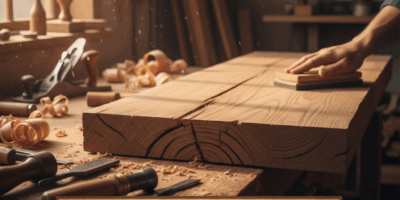
Wood species selection has gotten complicated with all the options and conflicting finishing advice flying around. As a woodworker who has used open grain species like oak, ash, and walnut extensively over the years, I’ve learned that understanding grain structure changes how you approach everything from finishing to joinery. Today, I’ll share everything I know about open grain wood.
What “Open Grain” Actually Means
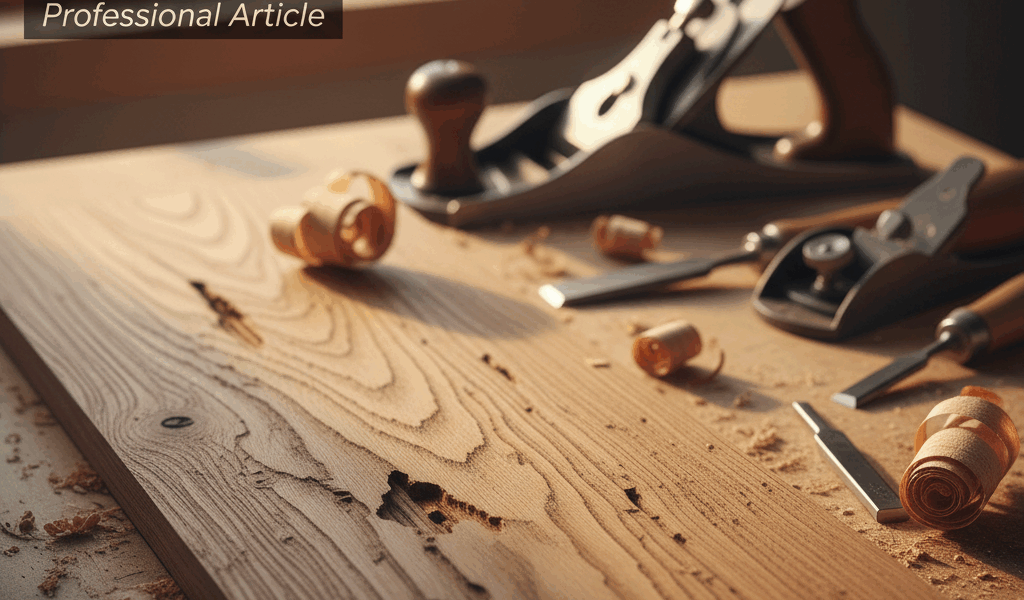
Grain in woodworking refers to the alignment, texture, and appearance of wood fibers. Open grain wood has large, visible pores running through it — the kind you can see clearly on the end grain and feel as texture on the face. Oak, ash, and walnut are the most common examples, each with its own character but all sharing that distinctively textured, pore-visible surface that separates them from tight-grained species like maple or cherry.
Open Grain Wood Properties
The most visually striking quality of open grain wood is its texture. Those visible pores and prominent growth rings give depth and character that flat, close-grained species simply don’t have. A white oak tabletop has a surface presence that hard maple can’t match — they’re different aesthetic statements, and the right choice depends entirely on what you’re building and what you want it to look like.
Open grain wood absorbs dye and stain more readily and deeply than close-grained species. The large pores pull in color, producing richer, more intense results. This makes open grain species a good choice when strong color is part of the design intent — though it also means you need to be more careful about blotching with oil-based stains on species like ash.
In terms of structural strength, open grain hardwoods are typically very robust. White oak’s durability in furniture, flooring, and historically in boat building speaks for itself.
Working with Open Grain Wood
The main finishing challenge with open grain wood is pore filling. Those large pores don’t disappear under a coat of finish — they show up as texture in the surface, which is fine for a natural look but problematic if you want a glassy, flat finish. To achieve that flat finish, you need to apply a grain filler, sand it back, and build your topcoat on a sealed surface. I’m apparently a “embrace the texture, skip the grain filler” person and that approach always works better for me while fighting the grain for a flat surface never does — the wood usually wins.
Staining open grain species is genuinely satisfying. The dye or stain pulls into the pores and creates depth that makes the grain pop. A properly stained piece of open grain oak has a richness that’s hard to achieve with close-grained wood.
Where Open Grain Wood Shines
Furniture that makes a visual statement — dining tables, coffee tables, bedroom pieces — benefits from the character of open grain species. The texture and depth are part of the design, not something to be engineered away. Flooring is another natural application: oak hardwood flooring has been the standard in American homes for a reason, combining beauty with the durability to handle decades of traffic.
One Final Thought
Open grain wood rewards woodworkers who work with its characteristics rather than against them. Embrace the texture, use the deep stain absorption to your advantage, and choose these species when you want a finished piece with genuine visual presence. That’s what makes oak, ash, and walnut endearing to woodworkers — they’re honest, expressive materials that look exactly like what they are.