Mahogany has gotten complicated with all the species substitutions and “genuine mahogany” debates flying around. As someone who has worked with both authentic mahogany and the various alternatives sold under that name, I’ve learned what actually distinguishes this wood and why it remains the first choice for serious furniture work. Today, I’ll share everything I know.
Understanding Mahogany: Characteristics and Appearance

Color Spectrum and How It Changes
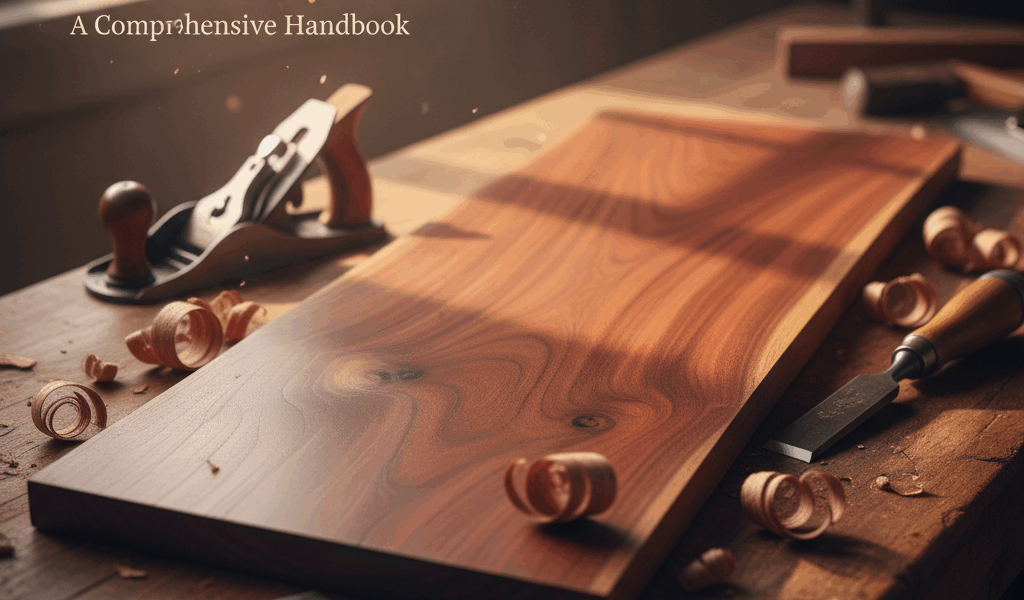
Fresh-cut mahogany is reddish-brown, and it deepens with age and light exposure. That darkening isn’t a problem — it’s one of mahogany’s most valued characteristics. A piece of mahogany furniture that’s been in a well-lit room for twenty years has a richness that the same piece looked like on day one simply can’t match. The rate and direction of color change varies by species: African mahogany tends toward a more reddish initial tone, while Honduran mahogany starts darker and ages into deeper, more complex browns.
Grain Patterns and Texture
Straight grain is the norm, and it’s what makes mahogany so reliably machinable — routing, planing, and shaping produce predictable results without the tearout risk that wavy-grained species introduce. But straight grain is just the baseline. Interlocked, wavy, or curly grain produces the “chatoyancy” or figure that makes premium mahogany genuinely striking — the wood appears to shift in color and luster as you move around it or as light changes. Selecting for figure when buying stock for a showpiece panel or tabletop is worth the extra time at the lumber yard. The texture is consistently fine and smooth, and mahogany accepts finishes as well as any wood I’ve worked with. You can achieve a glass-smooth surface with relatively straightforward prep.
Recognizable Characteristics
The pores are small to medium and evenly distributed, which is part of why stains and finishes penetrate consistently rather than blotchily. Mahogany’s natural oils contribute to its durability and resistance to insects and decay — qualities that made it the standard choice for outdoor furniture and boat construction before pressure-treated lumber and synthetic materials became ubiquitous. That oil content also means the wood stays dimensionally stable in varying humidity, which matters for furniture that lives in real homes rather than climate-controlled showrooms.
Applications Highlighting Its Beauty
- Furniture: That’s what makes mahogany endearing to us woodworkers who do traditional joinery — it holds detail beautifully, carves cleanly, and the finished piece looks like the material deserved the effort put into it.
- Musical Instruments: Mahogany’s tonality and resonance make it the standard back and sides material for acoustic guitars, and it’s used extensively in piano construction. The wood contributes warmth and sustain.
- Veneer and Paneling: Figured mahogany veneer on cabinet doors and paneling delivers the visual impact of the wood without the weight and cost of solid stock throughout.
Identifying and Verifying Mahogany
The species problem is real. “Philippine mahogany,” “African mahogany,” and “genuine mahogany” are not the same wood, though they’re often sold interchangeably. Genuine mahogany (Swietenia species) has specific grain characteristics that are hard to replicate. Substitutes may match the color but the grain behavior and workability differ. When the distinction matters for a project, look for FSC certification from reputable suppliers — it verifies both species authenticity and responsible sourcing. The legal mahogany market has tightened significantly in recent decades due to conservation concerns; buying certified material keeps you on the right side of that issue.
One Final Thought
Mahogany earned its reputation through centuries of use in fine furniture and instrument making, and that reputation is grounded in real properties: workability, stability, finish acceptance, and genuine beauty. Understanding what distinguishes it from substitutes helps you select the right material and appreciate what you’re working with when you do have the real thing.
Recommended Woodworking Tools
HURRICANE 4-Piece Wood Chisel Set – $13.99
CR-V steel beveled edge blades for precision carving.
GREBSTK 4-Piece Wood Chisel Set – $13.98
Sharp bevel edge bench chisels for woodworking.
As an Amazon Associate, we earn from qualifying purchases.