Pocket Screws vs Traditional Joinery: Cost Analysis
Pocket hole joinery has gotten a reputation for being either a complete shortcut or surprisingly capable, depending on who you ask. As a woodworker who...
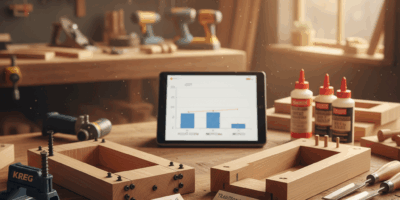
Pocket hole joinery has gotten a reputation for being either a complete shortcut or surprisingly capable, depending on who you ask. As a woodworker who...
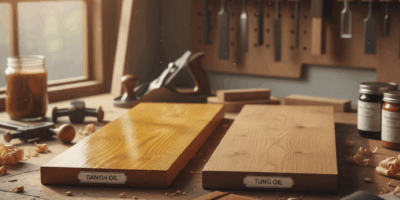
Danish oil and tung oil both create low-gloss, hand-rubbed finishes that highlight wood grain. They differ significantly in com
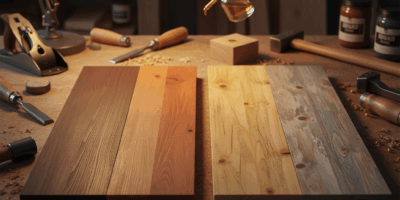
Staining oak and pine has gotten confusing with all the prep debates and product recommendations flying around. As a woodworker who has stained both species...
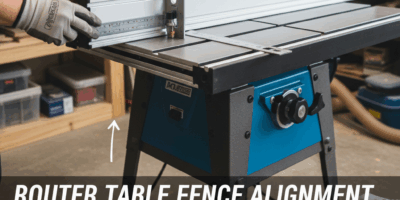
A misaligned router table fence produces tapered cuts, tearout, and dangerous kickback. Proper fence setup takes five minutes but ensures clean cuts and safe operation...
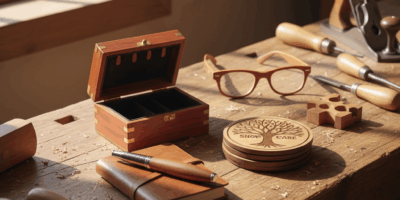
Handcrafted wooden gifts have gotten complicated with all the Etsy options and “best gifts” lists flying around. As someone who has both made and given...
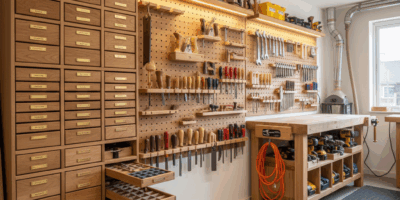
Discover workshop tool storage solutions to boost productivity and organization. Use pegboards for a versatile, visual setup to keep tools handy and clutter-free.
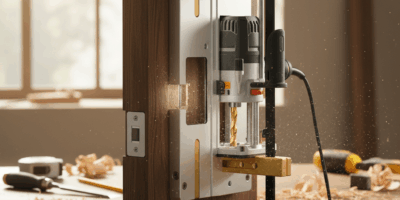
Learn how to mortise a door jamb like a pro and save money on home improvements. Our step-by-step guide ensures precision for locks, hinges, and other hardware.

Cabinet backs are vital for both the structural integrity and appearance of cabinets. Learn about their functions, material options, and installation for better choices.

Custom tool carts enhance productivity in garages, factories, and workshops by offering tailored design and efficiency. They are invaluable for meeting specific needs and preferences.

Clamp organizers are versatile tools for workspace efficiency, ideal for organizing tools and essentials in woodworking shops, craft rooms, and garages, promoting order.