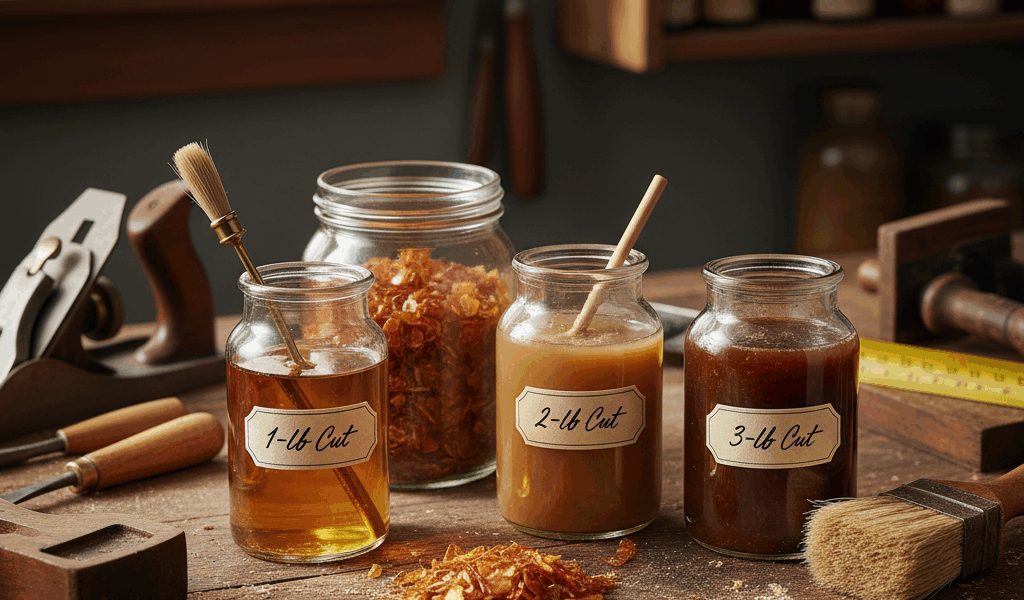
Shellac cut refers to the ratio of shellac flakes to denatured alcohol. Different cuts serve different purposes—from wash coats and sealers to build coats and French polishing. Understanding mixing ratios helps you prepare the right consistency for your application.
Cut Number Explained
The cut number indicates pounds of shellac flakes dissolved in one gallon of denatured alcohol. A 2-pound cut contains 2 pounds of flakes per gallon of alcohol. A 3-pound cut has 3 pounds per gallon. Higher numbers mean thicker, more concentrated shellac.
Pre-mixed shellac from stores typically comes as 3-pound cut. You can use it directly or thin it to lighter cuts by adding alcohol. The flexibility to adjust consistency is one of shellac’s advantages over pre-mixed finishes.
One-Pound Cut Uses
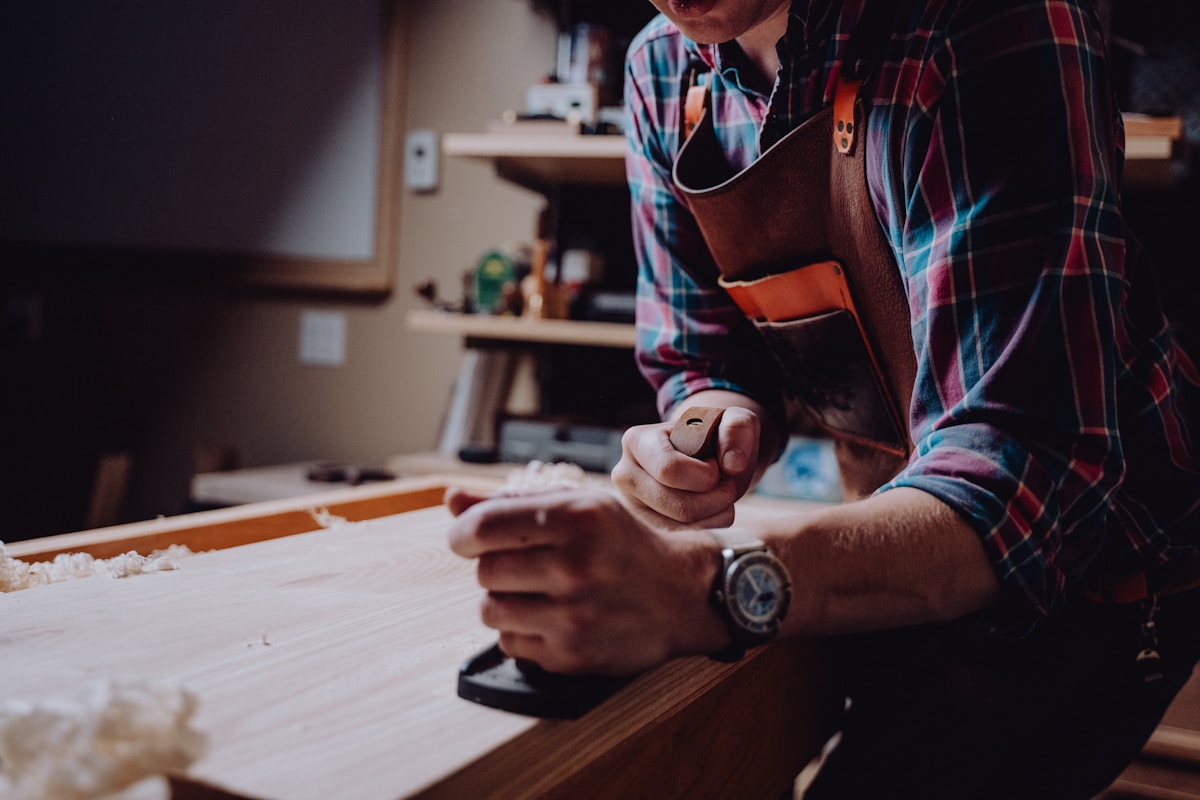
A 1-pound cut is very thin—closer to a seal coat than a build coat. It’s used primarily as a wash coat to seal wood before applying other finishes or as a barrier coat between incompatible finishes. The thin consistency penetrates deeply and dries quickly without building noticeable film thickness.
Mix 1-pound cut by combining 1 pound of flakes with 1 gallon of alcohol, or by taking 3-pound cut and adding 2 parts alcohol to 1 part shellac. Apply it with a cloth or brush—the thin consistency makes application easy and forgiving.
Two-Pound Cut Applications
A 2-pound cut provides good building characteristics while remaining easy to apply. It’s the standard consistency for brushing shellac and for building up finish thickness through multiple coats. Each coat adds noticeable thickness without becoming too viscous to flow out smoothly.
Create 2-pound cut from 3-pound cut by mixing 2 parts shellac with 1 part alcohol. Or dissolve 2 pounds of flakes in 1 gallon of alcohol if mixing from scratch. This is the most versatile cut for general finishing work.
Three-Pound Cut Uses
A 3-pound cut builds thickness quickly—each coat deposits more shellac than lighter cuts. This speeds up finishing when you need substantial film thickness. The thicker consistency is less forgiving during application, showing brush marks more readily than thinner cuts.
Use 3-pound cut straight from the can or dissolve 3 pounds of flakes in 1 gallon of alcohol. Apply with a quality brush using quick, smooth strokes. Don’t overwork the finish—the faster drying time makes it set before you can fix mistakes.
French Polishing Consistency
French polishing typically starts with 1-pound cut for initial seal coats, progresses to 1.5 to 2-pound cut for body coats, and finishes with 1-pound cut or thinner for spiriting off. The varying cuts serve different roles in the multi-stage process.
The thin initial cuts seal the wood without building exce thickness. The heavier body coats add finish depth. The final thin coats dissolve minor imperfections and blend the surface to a high polish.
Mixing from Flakes
Shellac flakes dissolve in denatured alcohol within 12-24 hours at room temperature. Measure flakes by weight and alcohol by volume. Place flakes in a jar, add the appropriate alcohol volume, seal the jar, and shake periodically until flakes completely dissolve.
Warm alcohol dissolves flakes faster—within 4-6 hours. Don’t heat the alcohol directly due to fire hazard. Instead, place the sealed jar in a warm water bath or near (not on) a heat source. Shake occasionally to mix dissolved shellac with undissolved flakes.
Adjusting Pre-Mixed Shellac
To thin 3-pound cut to 2-pound cut: Add 1 part alcohol to 2 parts shellac. For example, add 4 ounces alcohol to 8 ounces of 3-pound cut shellac.
To thin 3-pound cut to 1-pound cut: Add 2 parts alcohol to 1 part shellac. For example, add 8 ounces alcohol to 4 ounces of 3-pound cut shellac.
To thin 2-pound cut to 1-pound cut: Add 1 part alcohol to 1 part shellac. Mix equal volumes.
These ratios are approximate—shellac is forgiving. Being slightly off in either direction rarely causes problems. Test the consistency on scrap before committing to your project.
Shelf Life by Cut
Pre-mixed shellac has limited shelf life—typically 6-12 months regardless of cut. The finish polymerizes slowly in the can, eventually becoming too thick and sticky to use properly. Old shellac doesn’t dry properly and remains tacky.
Thinner cuts (1-2 pound) may deteriorate slightly faster than heavier cuts due to the greater alcohol-to-solids ratio. Store all shellac in tightly sealed containers away from heat and light to maximize shelf life.
Dry flakes store indefinitely when kept dry. Mix only what you’ll use within a few months for best results. This is an advantage of buying flakes versus pre-mixed shellac—you can mix fresh finish as needed.
Dewaxed vs Waxy Shellac
Natural shellac contains approximately 3-5% wax. This wax interferes with topcoats—you can’t successfully coat waxy shellac with polyurethane or lacquer. The wax also creates a slightly cloudy appearance.
Dewaxed shellac has the wax removed during processing. It dries clearer and accepts any topcoat. Most finishing applications benefit from dewaxed shellac. The only reason to use waxy shellac is for traditional French polishing where the wax contributes to the final luster.
The cut number applies to both waxy and dewaxed shellac—it only indicates the flakes-to-alcohol ratio, not wax content.
Color Selection
Shellac comes in grades from clear (blonde) through amber to garnet (dark amber). The color comes from natural variation in the lac resin, not added dyes. Mixing ratios work the same regardless of color.
Clear shellac adds minimal color—suitable for pale woods where you want to preserve natural tone. Amber adds warm golden tones. Garnet adds significant amber color approaching orange—appropriate for period finishes and warm-toned woods.
The cut thickness doesn’t affect color intensity much since you’ll apply multiple coats anyway. A 1-pound cut applied five times deposits similar color to a 2-pound cut applied twice.
Recommended Woodworking Tools
HURRICANE 4-Piece Wood Chisel Set – $13.99
CR-V steel beveled edge blades for precision carving.
GREBSTK 4-Piece Wood Chisel Set – $13.98
Sharp bevel edge bench chisels for woodworking.
As an Amazon Associate, we earn from qualifying purchases.


Stay in the loop
Get the latest crafted wood creations updates delivered to your inbox.