
End grain absorbs stain differently than face grain, creating blotchy, dark patches. Several methods even out the color.
The Problem
End grain has exposed wood cells that act like straws, pulling in stain rapidly. Face grain absorbs slowly through cell walls. The result: end grain turns much darker.
Seal First
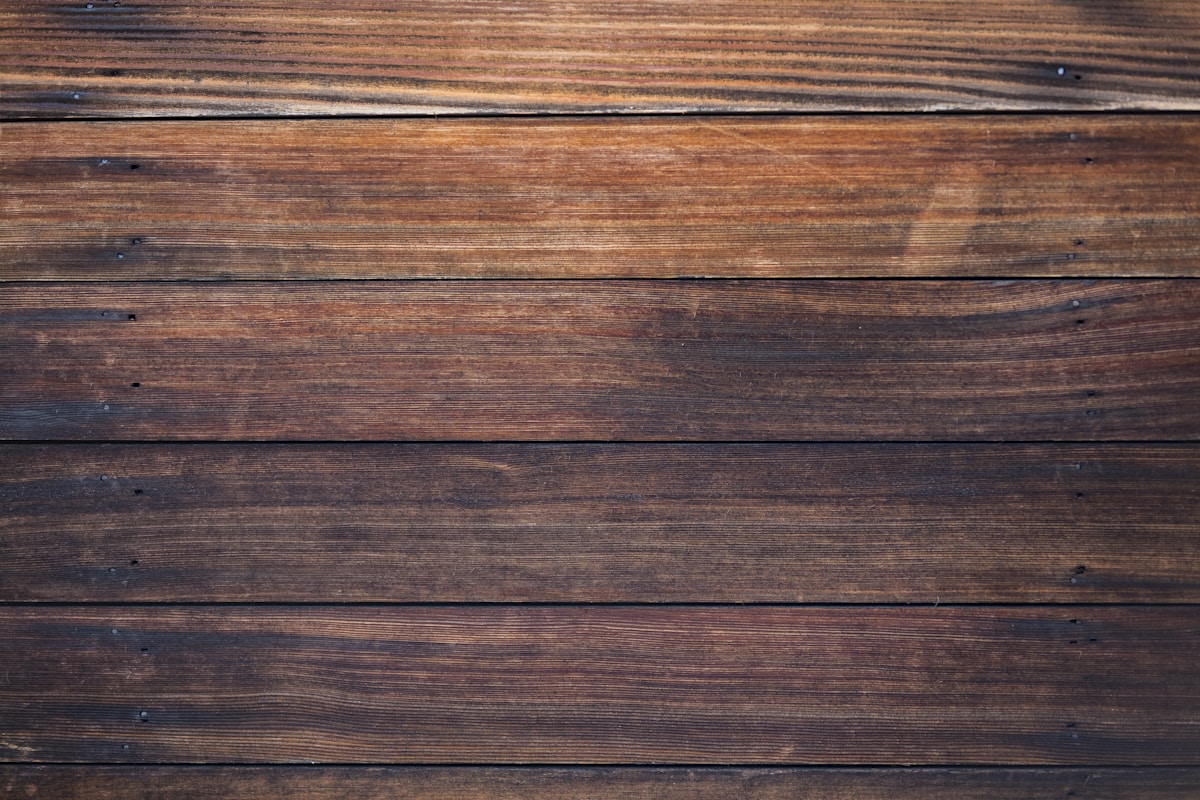
Apply a thin coat of dewaxed shellac to end grain before staining. Zinsser SealCoat works well straight from the can. Let it dry completely.
The shellac partially blocks absorption. Test on scrap and add more coats if end grain still darkens too much.
Glue Size Method
Thin yellow wood glue with water at a 1:10 ratio. Brush onto end grain and let dry overnight. Sand lightly with 220-grit before staining.
The diluted glue fills open pores without creating a visible film.
Sand Higher
Sand end grain to a finer grit than face grain. If you stop at 180 on faces, go to 220 or 320 on end grain. Finer scratches reduce absorption.
Gel Stains
Consider gel stains for projects with prominent end grain. The thicker formula sits on the surface rather than penetrating, giving more consistent color across all surfaces.



Stay in the loop
Get the latest crafted wood creations updates delivered to your inbox.